#789: Do brands really know who their customers are?

Producers of goods and services often re-jig their portfolio, launching new offerings that are quite different or may be very differently priced. You’d like to think the product managers will have a plan for what their thing does, who will be their target customer, how much they’re be prepared to  pay for it, where it will be sold and so on. They might even have an Ideal Customer Profile defined, so they can effectively pitch their wares to the right people.

It takes a brave – or even foolish? – company to actively decide their current buyers are not the ones they want in future. Telling someone that your product is not for them might be a good way of ensuring they don’t come back to you; or if you want to win them back, it could take a lot of effort.

There are plenty of times that companies seem to be making crazy decisions that look good on a PowerPoint slide in some internal planning meeting but get a very different reaction when unveiled in the real world. Either they don’t appreciate who their customers are and what they want, or they consciously decide that they need to appeal to a different set. Sometimes, they get it right (see Henry Ford’s misquote about people wanting faster horses) but not always…

“No plan survives first contact with reality”

… could be used to describe some of these. A slight reworking of the famous quotation that has evolved into “No battle plan survives first contact with the enemy”, or Mike Tyson’s “everyone has a plan until they get punched in the mouth”. Some brands make what they conclude are stupid mistakes, and they quickly bury the evidence and move on (e.g. New Coke, GAP logo, Windows Vista). Or it might prove in the long run that they really knew what they were doing after all.

Shocking Electric Cars news

As has been mentioned before (#780), there’s a car industry move towards electrification, initially largely driven by government mandate to make manufacturers pivot from selling polluting Internal Combustion Engine (ICE) vehicles to initially selling cleaner hybrids and onto full zero-emission Battery Electric Vehicles (BEVs). Consumer demand for EVs has been less than enthusiastic, due to high initial costs in comparison with ICE (though that is lessening), charging infrastructure concerns and the doom-mongers of the red-faced press. That said, people who have made the switch love them and the tipping point may be just about here.

Both Mercedes and Ferrari have recently announced high-end, EV-only cars and the reaction has been very mixed.
Article content

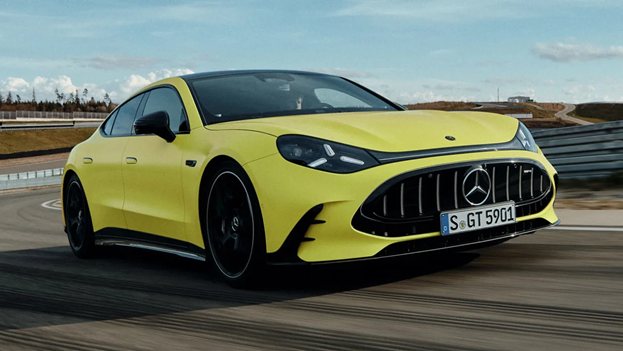
The Mercedes AMG 4-door GT Coupe might be hugely impressive on paper, with its supercar-humbling performance along with synthesized V8 rumbling soundtrack and a virtual “gear shift”, trying to appeal to enthusiasts of old-school AMG. Its £160k price-tag for the top spec C63 seems hefty, but then it’s got more power than a Bugatti Veyron so could be seen as cheap by comparison.

Mercedes are replacing a petrol-powered mashup of big saloon and 2-door sports car; it was expensive (£100K+) and presumably didn’t sell all that many cars in comparison to the rest of the range. But now the old dinosaur is no more and it’s being replaced with the pure EV that will be some kind of halo car.

But look at it. Online commentators have not been kind to its appearance. Maybe the “never buy an EV” keyboard warriors are the last people Mercedes are trying to woo with this car. Porsche must be looking over their shoulder, but their Taycan model has been around for years and though it might not suit every colour or wheel choice, they are generally thought of as good-looking cars.

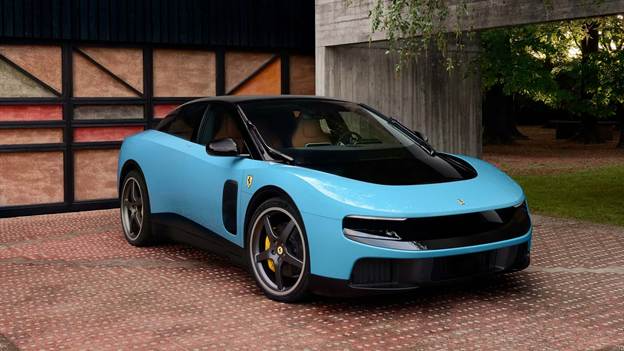
Coming a few days after the Merc, Ferrari finally took the covers off their long-awaited first full EV – the Luce (which means “light”, even if it is expected to tip the scales at 2.25tonnes. Yes, a 5,000lb, 5 seat electric Ferrari which might go like a stabbed rat and will cost well over €500,000).
Article content

The Luce had input from design agency LoveFrom, featuring Apple design gurus Sir Jony Ive and Marc Newson. They got to design the car from a clean sheet, especially the interior, which has been broadly seen as A Good Thing. Unusually, the inside was unveiled ahead of the rest of the car, and now we can probably see why. It is said that particular focus was on tight integration of all the car’s systems: just as Apple strove to make deliberate design decisions to make things simpler and feel better thought out.

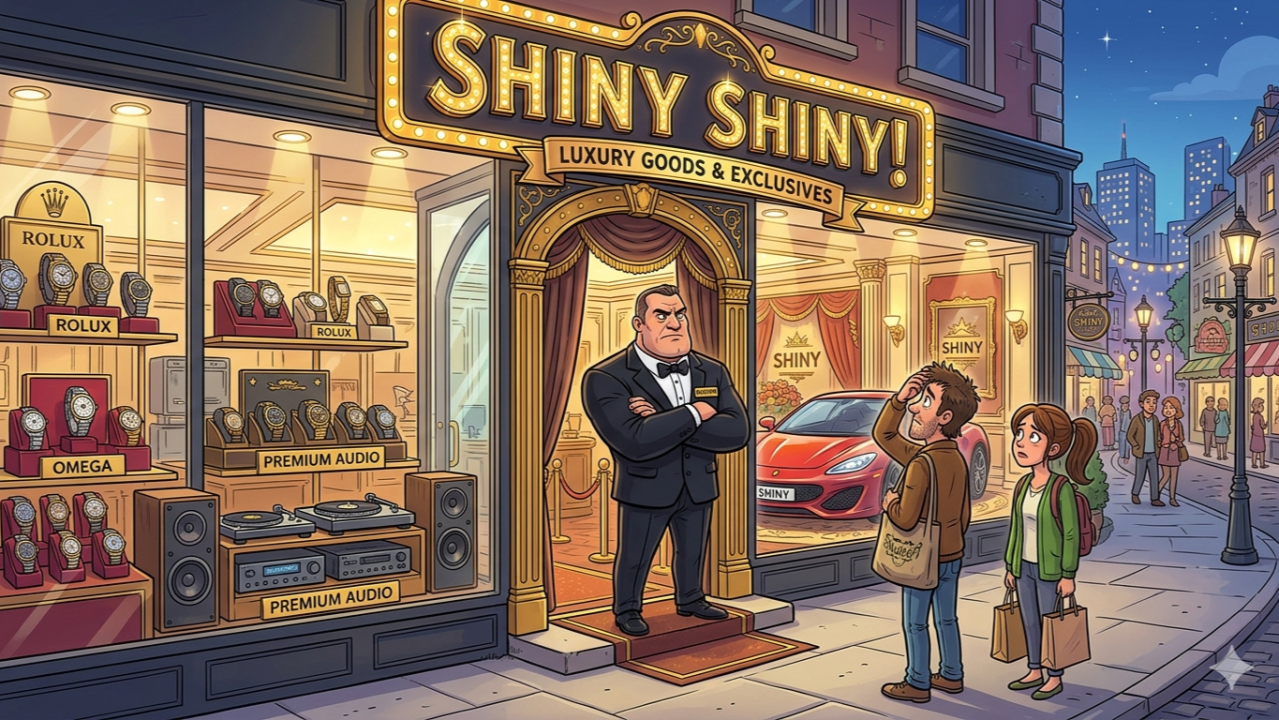
Externally, however, car journalists are mostly in “WTAF” mode. But they’re not the target customer, nor perhaps are Ferrari’s regular clientele. Maybe the ultra-rich, modern tech bro type doesn’t want something that’s got lots of fins and wings and shouty exhausts.

Auto blogger Shmee150 (whatever you think of his caricature, he does speak a lot of sense sometimes) commented on the Luce launch as being the most controlled, tied down unveiling he’d ever seen. Some of the more traditional motoring press were not invited, while some more new media tech-forward people were.

It’s almost like Ferrari knew it was going to be hugely controversial, and the people in the room who were classic Ferrari fans were foaming at the mouth while the “new gen” were loving it. Shmee/Tim drew a division – those who wore Apple watches loved it, while those with mechanical watches did not.

It’ll be interesting to see what the Luce does for the rest of the Ferrari line-up – since there’s basically zero familial resemblance, it’s hard to see how some of the innovations in this model will trickle down to the others in the range. Ferrari’s in-house design centre might well be smarting at the fact they had little hand in the whole project, but they might also be smirking at some of the reactions to the way the thing looks.

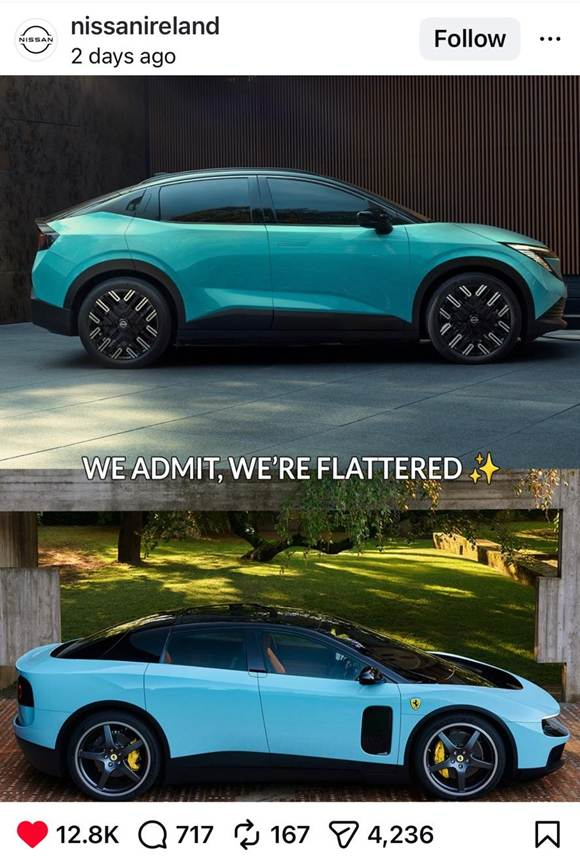
One critique is that if you took the Ferrari badges off, there’s no way you’d know it was a Ferrari. It has a little bit of Jaguar i-Pace about it (as seen by Waymo users worldwide), and Nissan even poked a bit of fun at Ferrari through (now-deleted) social posts:
Article content

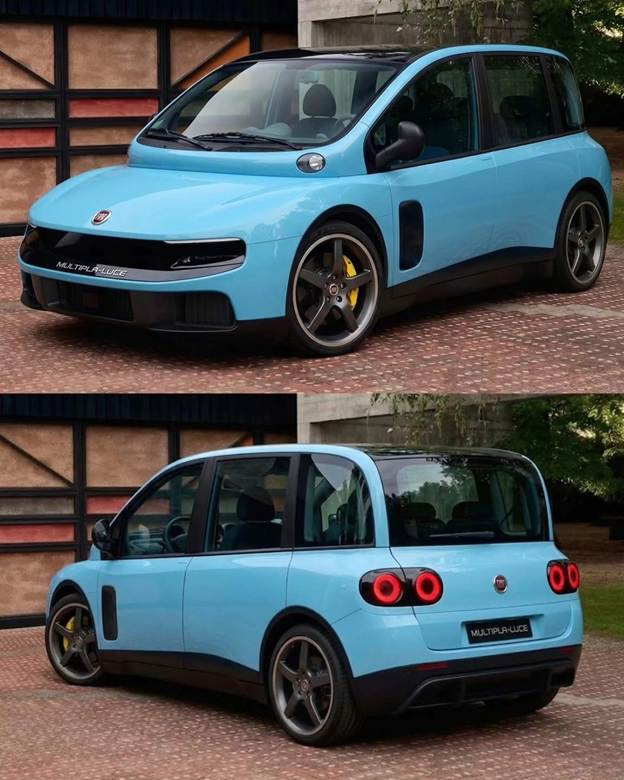
There’s even a joke that it could be mistaken for a next-gen Fiat Multipla…
Article content

For Mercedes, they’re replacing that previous petrol-driven AMG GT 4-door coupe so their new GT is clearly aimed at converting traditional customers to be EV buyers without wearing a hairshirt or seeming like they need to renounce their previous passion.

Ferrari, on the other hand, seem to be splitting their market – will Ferrari dealers insist that you buy a Luce if you want to be on the waiting list for their next fire-breathing, limited edition hypercar? Maybe, but it does seem like Ferrari is consciously admitting this isn’t the car for you if you’re one of its regular customers.

Backing both horses (to a degree)

Traditional car makers shifted their product lines to initially put in electric drivetrains in place of ICE or hybrid, and some still offer multiple variants of each model. Increasingly, they’re building bespoke EV-first offerings that are more efficient, therefore get longer range from the same-sized battery and (with the right kind of roadside infrastructure) can charge much quicker too.

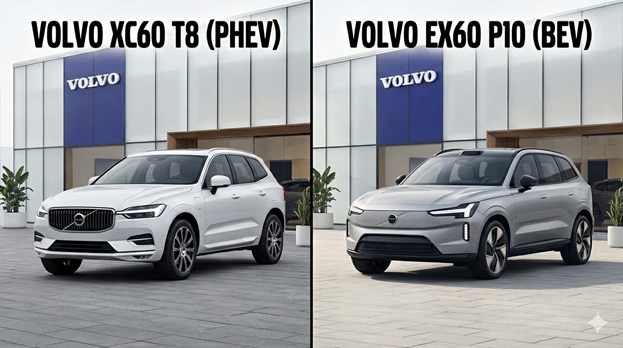
Some are cheaper, too. Volvo’s forthcoming EX60, nominally the replacement for the XC60 family SUV (which is the Swedish company’s most successful car ever), works out about 7% less expensive (for an equivalent spec) than the top range hybrid. And the new EV is faster yet still has a quoted range of over 400 miles.
Article content

Tellingly, Volvo has not said if and when it will kill off the petrol engined forebear, though. As long as enough buyers will fork out for the older car, they’ll going to try to keep making it.

BMW has launched the first of a new generation (“Neue Klasse”, a rethinking of the way the cars look and how they work under the skin), in its iX3, which has been awarded “World Car of the Year 2026”. Not just best EV, but the best car full stop, if you pay attention to awards.

The new i3 saloon, an EV equivalent of the iconic 3-series, is about to enter production; it promises over 550 miles of range on a full charge. Again, BMW hasn’t said it is replacing the 3-series but it feels like a matter of time…

Jaaaaag – the early bird catching the worm?

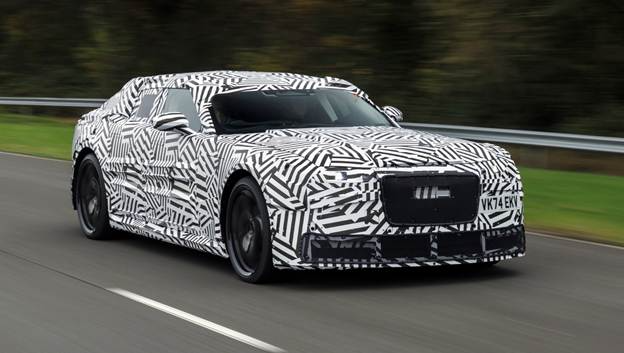
18 months ago, Jaguar famously burned their entire house down, ceasing production of all ICE cars and saying they were going to build a whole new range of EVs, starting with a huge and expensive car that would be new from the ground up. Trailing this whole reinvention with the bizarre “Copy Nothing” advert. The backlash was loud and immediate, with commentators questioning the sanity of trying to rely on a huge £100K+ pure EV saloon car as the one product to save the company.

As things have developed, Jaguar may have got rid of a few key people, appointed a new CEO and even decided not to retain the agency behind their relaunch ad… but the car’s development is going well, and it’s said to be very good indeed, if you like that kind of thing.
Article content
You ain’t seen me, right?

Covered in camouflage, Type 01 prototypes have been driven by a load of car journalists, alongside a fleet of “greatest hits” from Jag’s heritage fleet. It seems they really want to show that what made their cars great in years gone by can still be applied to even the latest tech now.

You wonder if Jag’s designers and marketeers aren’t quietly pouring one out for Ferrari & Mercedes, since they got so much flak for the Type 00 designs a little more than a year ago, but in the meantime, those who have seen the prototypes are saying it’s going to look and go very well. We’ll see later this year.
#788: A 1970s crisis that (almost) killed the industry

History shows that many dominant businesses and regimes don’t always survive. It also shares lessons; don’t allow despotic lunatics to seize power, do stay true to your founding principles, try to keep people (your customers especially) happy and don’t make too much of a mess. Oh, and make your bed every morning.

Some industries decline because their time is up – in many parts of the world, the coal mining industry has all but disappeared as demand has shifted. There isn’t much demand for whale oil these days, given superior alternatives and environmental concerns.

The usefulness of a product or technology alters other things in time, too; Jay Leno has commented that the automobile was the saviour of the horse: since they were no longer required for transport and cargo, more horses could live a better life in their fields than being beaten and dragged through stinking cities full of other horses’ effluent.

Christmas Day 1969 – pivotal for Switzerland

They didn’t know it at the time, but the valleys of Switzerland between Geneva and Zurich (the Jura Arc) were about to be shaken to their core on 25th December 1969. Cities and small towns all across the country were known for their production of clocks and particularly watches.

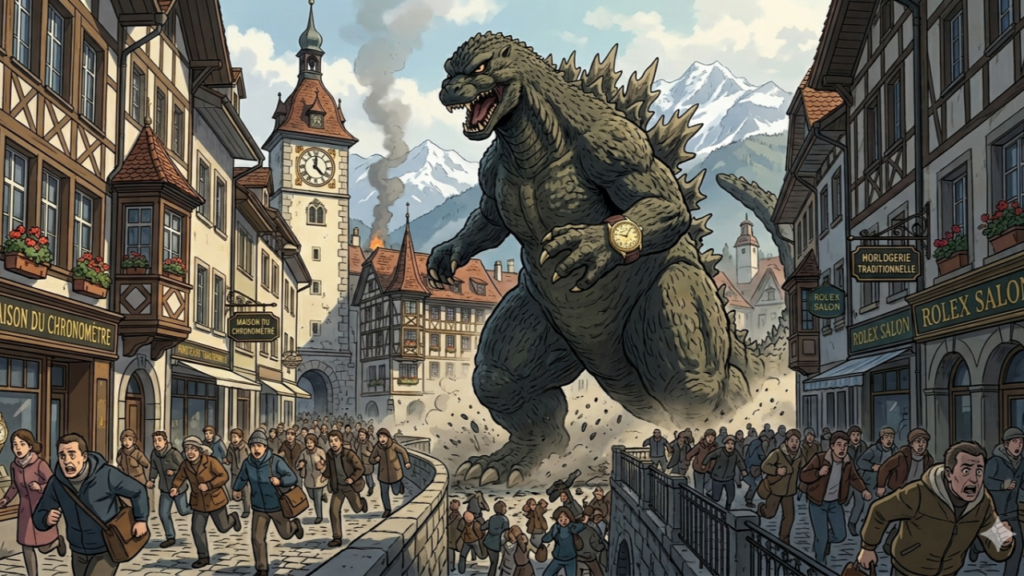
It wasn’t always thus – prior to the Swiss establishing dominance in watchmaking, England was the centre of that world. Even Rolex was founded in London. But when wristwatches really started taking off after the World War I, that strip of northern Switzerland set the pace. Even today, people will comment on a finely tuned machine as being “like a Swiss watch”.

The disruptor technology

Over 90,000 people were employed in the industry across Switzerland in 1970, but that fell to around 1/3 over the next 15 years thanks to a competitive threat which they had not really taken seriously enough: Quartz.

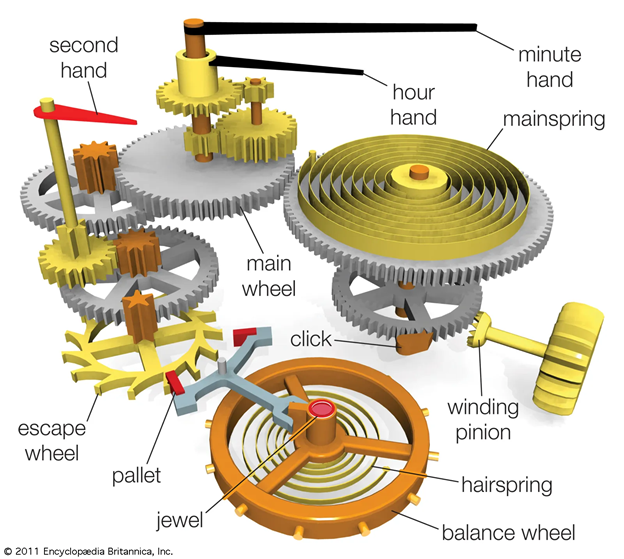
In essence, a traditional mechanical watch measures time and displays it by advancing the hands, using a tightly coiled spring to power the many components within. The spring needs to be kept under some tension – either by hand-winding every day or two, or by an automatic watch converting the wearer’s movements into tightening the spring. Then there’s the balance & escapement which perform the same role as a pendulum swinging back and forth in an old clock – they regulate the timing.

Article content

The downsides of all these mechanicals are that they’re relatively expensive to make, and the fine lubrication involved will ultimately dry out, meaning the watch will need servicing every few years. They’re potentially affected by magnetic fields and don’t like sudden shocks (like being dropped) much either.
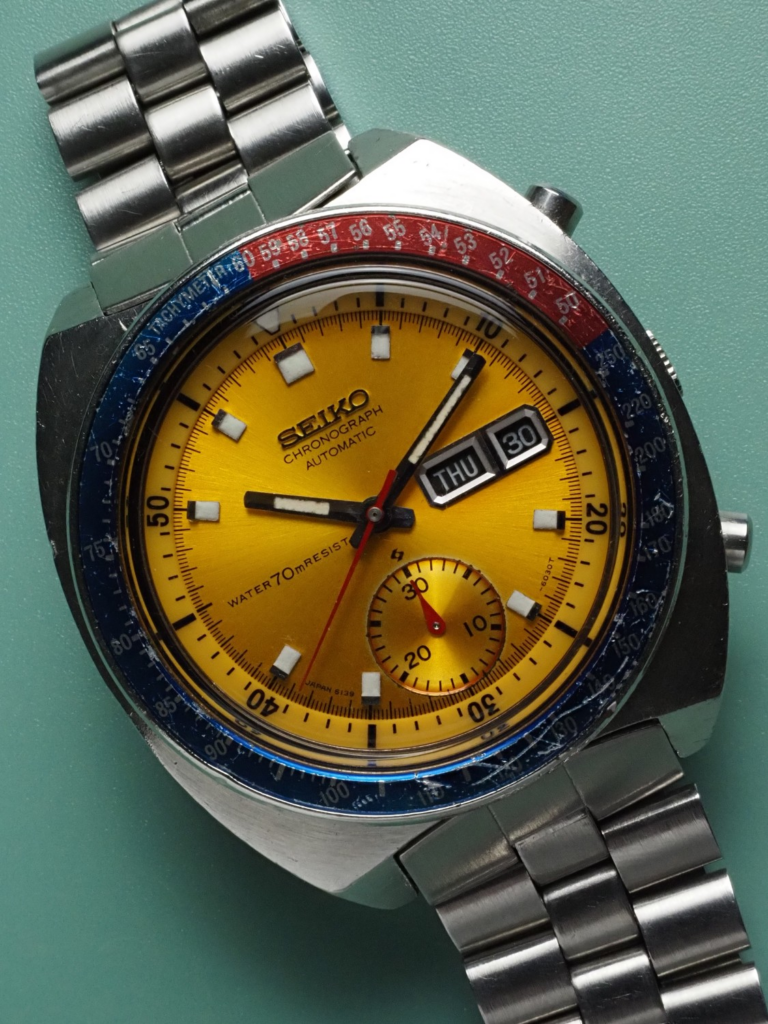
Advances had been made in coming up with electric clocks and watches since the 1950s, with tuning forks or quartz crystals and powered motors taking the place of the traditional spring/wheels/escapement arrangement. It’s one thing having a wall clock that is powered by mains or even a big battery, but miniaturising the same technology to make a practical pocket watch or wristwatch was proving difficult.

Quartz watches used a small electrical charge to vibrate a crystal in place of the balance/escapement, and using small motors to move the hands instead of a series of wheels. A small battery replaces the whole main spring for powering the lot.

One tell-tale difference between most analogue mechanical and quartz/battery watches is that if there’s a second hand, it’ll move relatively smoothly on a mechanical watch but on a quartz watch, it’ll jump one second at a time. That’s a way of preserving battery life – rather than powering the actuator which moves the hand once every fraction of a second, it’ll be only every second, or even every few seconds when the battery starts to run out.

https://www.linkedin.com/embeds/publishingEmbed.html?articleId=8348052211396942400&li_theme=light

Here’s a slo-mo of a mechanical 1974 Omega Speedmaster and a quartz 1983 Seiko “Speedmaster”, where the chronograph timers on both watches are active. The Seiko’s main hand does move in distinct one-second jumps, but the 1/20th seconds marked out on the subdial at 3 o’clock is hilariously quick.

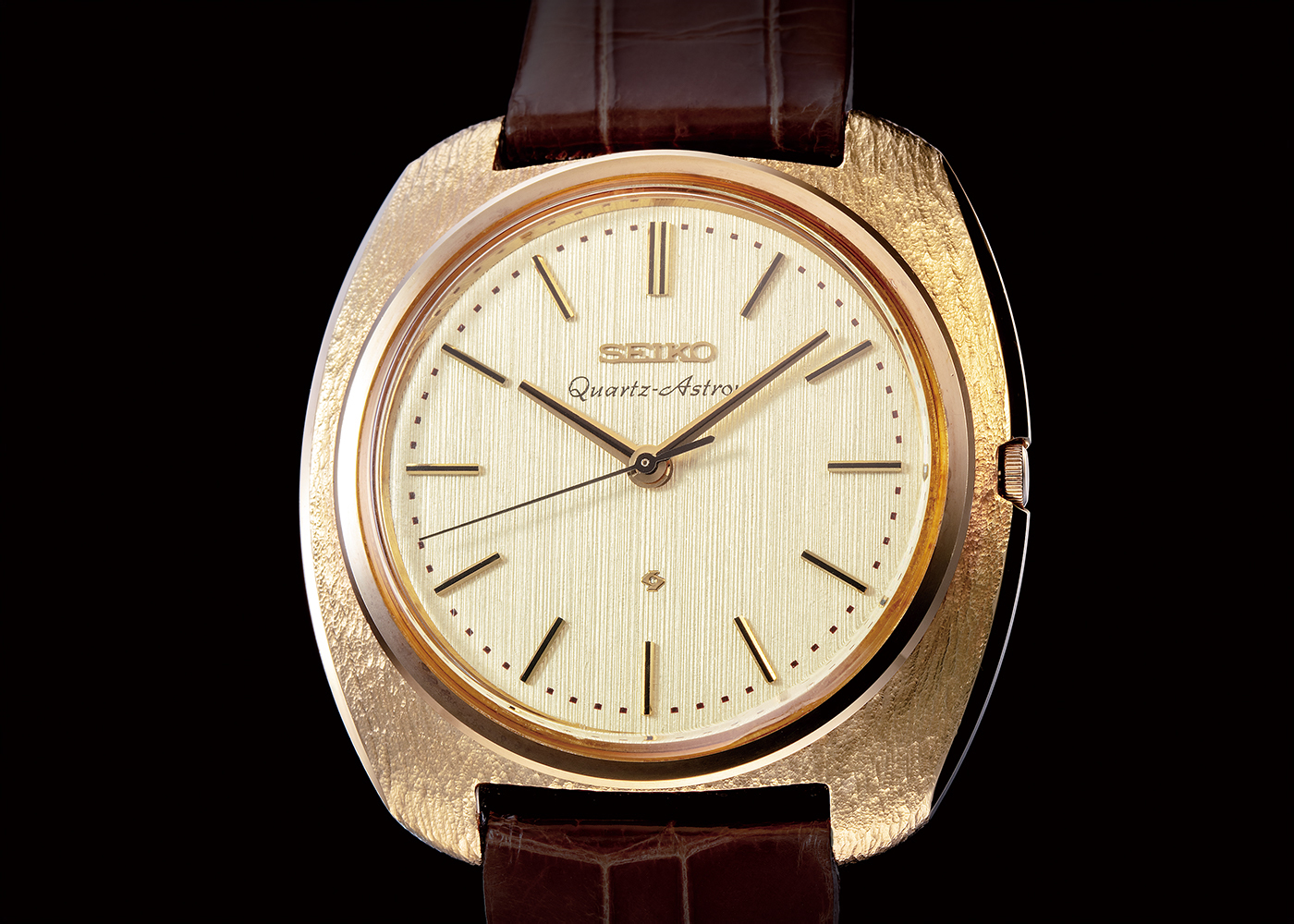
The seeds of demise for the traditional Swiss watch industry were laid bare when the first quartz watch available world-wide was released on Christmas Day, 1969: Seiko’s Quartz Astron.

Article content

Although we later got used to quartz watches being cheap to the point of being disposable, the 35SQ Quartz Astron was not. Described as being around “the price of a small car” (¥450,000– about US $10,500 in today’s money), it was 18ct yellow gold with a distinctive hammered finish and very much pitched as a luxury good.

It’s not about being first

The Swiss has been investing in tuning forks and quartz for years, and by the late 1960s, there were viable quartz movement in Swiss labs. They followed Seiko to market in early 1970, but the watches that used the early movements were chunky and the batteries needed replacing too often. The Swiss industry was seemingly not overly concerned about quartz – although they were far more accurate than mechanical watches, they were initially more expensive and the cost and hassle of getting your old watch serviced every 5 years was still better than having to replace your quartz watch’s battery every few months (or even, weeks).

In hindsight, what followed could have been a case study in The Innovator’s Dilemma: quartz movements, and the watches they were fitted to, became radically simpler, cheaper and more efficient. Batteries lasted longer, and they quickly met the need of the majority of watch wearers worldwide. The bottom fell out of the Swiss watch industry and caused a near-death experience referred to as “The Quartz Crisis”.

Other factors played a part

It wasn’t just arrogance or blind sidedness on the part of the incumbent Swiss manufacturers which created the problem. The fuel crisis of the early 1970s – which also had seismic effects on many other areas like the automobile industry – combined with the Swiss Franc gaining over 50% in value against the US Dollar, meant that there was much less demand for their product anyway. Allied to the sudden availability of cheaper, more reliable watches from Japan, the US and elsewhere, meant the Swiss industry was in freefall.

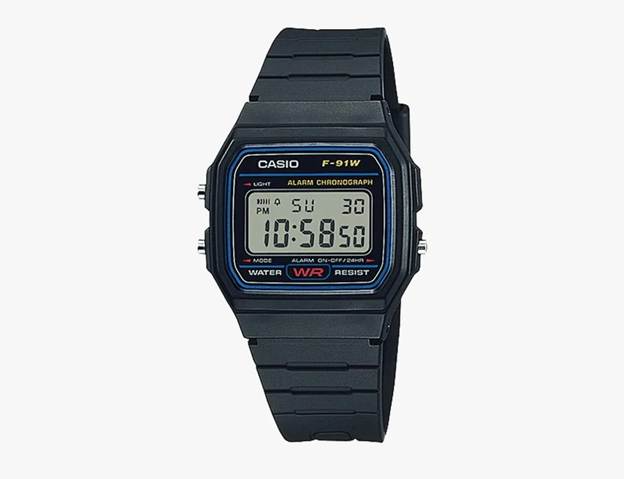
As time went on, the analogue quartz watch was somewhat displaced by the even simpler digital LCD one; Casio’s F-91W has been in production for more than 35 years, and it’s said to sell 3 million a year because it’s so cheap ($20).

Article content

The recovery

To revisit Jay Leno’s earlier comment, when no longer needed for transport, the use for horses morphed into sport or pleasure rather than utility. Maybe that meant there were fewer horses around overall, but it also meant the quality of life for the remaining ones was much better. And for everyone else, too – 1,000 tons of horse 💩 supposedly was dropped in New York City every day.

With ultra-cheap yet reliable and robust watches being available, there’s no need to pay thousands of dollars (millions, even) to have something on your wrist just for telling the time. Many people won’t have the need for any watch, since they have a phone with a clock on it … unless the watch does something more.

Tech firms like Apple, Samsung and Google have redefined the wristwatch for a lot of people by making it smart; by volume, Apple sells more smart watches than the entire Swiss watchmaking industry combined. By value, it’s a very different story.

By focussing on “luxury”, associating with famous brand ambassadors and the like, the Swiss industry has largely reinvented itself as a premium product, made not for the utility of telling the time but for looking and feeling good.

#785: Enshittification (Part II) – snapping & mapping fails

Around a year ago, old-school Tip of the Week had a “2025 Enshittification: part 1” post which looked at how online services routinely drop features that people like because it suits the provider to not sustain them. It’s high time to revisit the topic, specifically looking at changes being made to online mapping services and one popular document scanning app.

In truth, if you’re going to rely on a free service, be ready to expect the provider to muck it up for you. If you like to look at your old house on Google Street View, best head over there now and screengrab it as some day they may decide to stop storing previous captures or something.

It feels like it’s only a matter of time before Amazon starts making Alexa a paid-for service, or subsidises free use for telling you the weather or play the radio by playing “would you like to buy a new Carlos Fandango umbrella to protect you from tomorrow’s rain?” inline ads.

Microsoft Shutters Lens

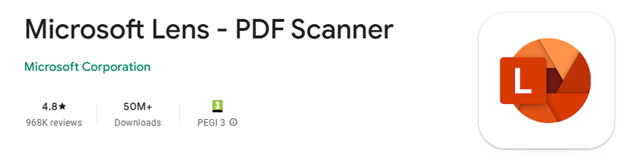
A bit niche, maybe, but Microsoft has been offering a scanning app for smartphones for years. Originally called Office Lens and available for Windows Phone since 2014, later rebranded (of course) Microsoft Lens and even gaining “PDF Scanner” to tell you what it’s primarily for. It was previously discussed in old ToW #682. There used to be a PC app as well as iOS and Android ones, but that has gone already.

Article content

Despite nearly 1M ratings of average 4.8 and over 50M downloads on Android, its days are numbered. Rather than keep Lens alive, Redmond has decided to build some of its functionality into other apps, like OneDrive and/or OneNote. Sadly, neither is as simple, fast or fully-featured as Lens is/was. RIP.

Of course, there are plenty of other alternative scanning apps, including the built-in one for Android users, where you just point the camera at something which looks like a document and it’ll give you a shortcut to Google’s own scanning software which can detect page edges, bundle multiple scans into a PDF and so on. Since the scan feature is part of the Files app, you can go there and start a scan directly too.

Article content

At least Lens had a fulfilling life in the sun, unlike Viva Goals, a product of acquisition which likely cost Microsoft $200M+, and was deep-sixed after only 2 years.


Google “Privacy” copout

How many times have you seen a statement like “for your safety and security”, and realized that its primary goal is actually to make somebody else’s life easier?

Google had a neat feature, if you chose to turn it on, where Maps on your phone would keep a record of where you’ve been and upload to your Google account, so you could view your travels within Google Maps on your computer. Called Timeline, it was briefly covered in previous ToWs including the trend for apps to be replacing websites and not always to the users’ benefit.

Article content

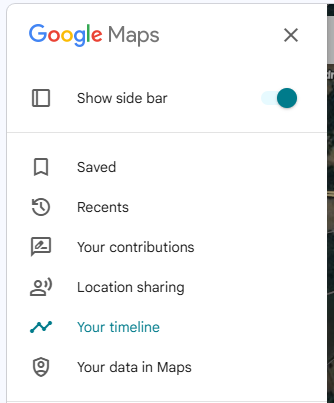
Timeline was discontinued so you could no longer go to Maps and see where you’d been in the past. It’s tantalizingly still there in the menu today, but all it does is tell you to use the mobile app and offer more help on the activity controls.

The reason? For privacy’s sake, Google was no longer going to store all that info on its servers, rather the tracking data would only live exclusively on your primary phone. Sounds fine, unless you lose the phone and don’t have it backed up, or some other calamity occurs and deletes all the data.

Is this to protect the user? Or is it to protect Google from liability in case its service was somehow compromised, and the whereabouts of millions of people over time had been made available?

The DIY Alternative

If you like the ability to track where you’ve been, whether that’s to make your mileage claims easier or just to provide yourself an alibi when accused of being somewhere else, there are alternatives to Google Maps / Timeline though none are quite so easy to use. Self-hosting – as in running a server on your own network rather than relying on a cloud provider who might vanish tomorrow and/or start monetizing your data – is a favoured option for tin-hat wearers and honest folk concerned with privacy and/or who prefer to make their own lives difficult.

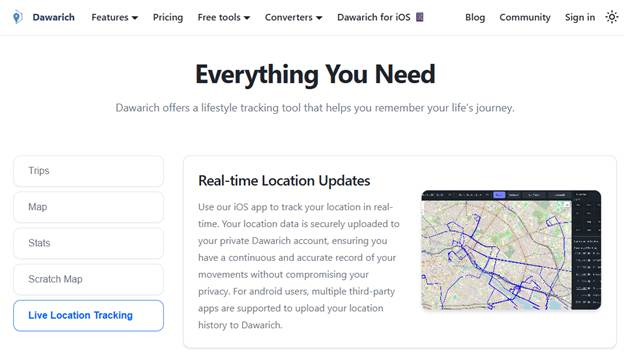
The leading alternative to Timeline is probably an open source project called Dawarich, available either as a subscription cloud service or software you can run on your own. If you have a Synology NAS device with enough oomph to run Docker, there’s an easy to follow* guide, How to Install Dawarich on Your Synology NAS.

Article content
Dawarich.app

*easy to follow may be relative to your exposure to config files, IP address mapping etc

Dawarich lets you import location history from Google Maps or you can have apps on your phone regularly tracking and reporting your location history directly to your Dawarich server.


Is Bing Maps really a Zombie?

Sticking on the theme of making mapping stuff worse, Microsoft has been busy “evolving” Bing Maps.

Launched as “Virtual Earth” over 20 years ago, it morphed into numerously named Windows Live, MSN and eventually Bing Maps for consumers as an alternative to Google Earth and Google Maps, and also aimed at enterprises in the hope that they would build mapping services into other applications and pay for the privilege. There had been a previous set of software and services called MapPoint dating back to the Y2K, now superseded.

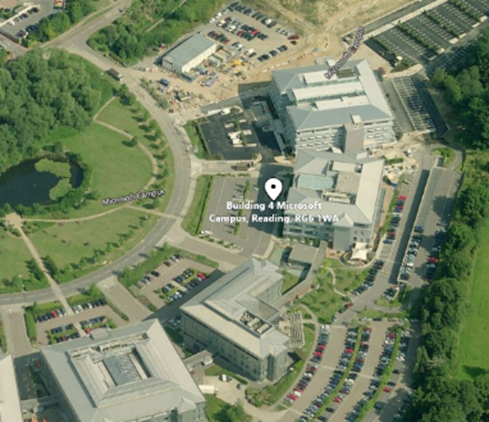
There were some cool features that differentiated Bing from Google when it came to maps – things like high-resolution “Birds Eye” images taken from spotter ‘planes…

Article content
Microsoft UK HQ – TVP – in old “Birds Eye” images – note that B5 was still being built, so must be 20 years old?

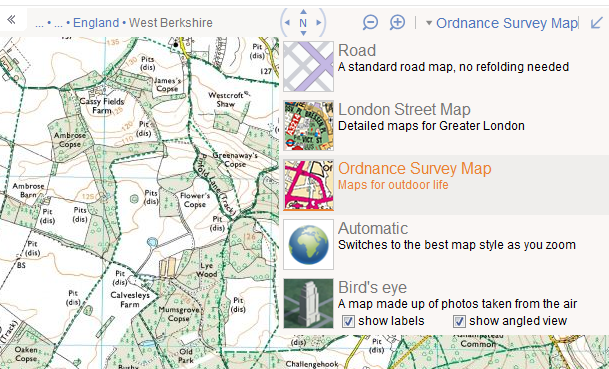
… to free use (for UK users) of the Government’s Ordnance Survey mapping data. At one point, Bing even licensed the old A-Z maps for London, as “London Street Maps”.

Article content
Bing Maps showing Ordnance Survey, with other options including licensed London A-Z Maps

Bing also offered drive-by imagery akin to Google Street View called Streetside. It was never quite as good as Google’s service and it took years to become available internationally, but there were places where it would have more up-to-date pictures compared to Google’s own Street View pictures and data.

Article content
TomTom “surveyed” Thames Valley Park at a time when the park was closed

As you can see from the view above, the images were taken by cars operated by veteran satnav provider, TomTom. Similarly, the Ordnance Survey maps and Birds Eye images were licensed from other 3rd parties.

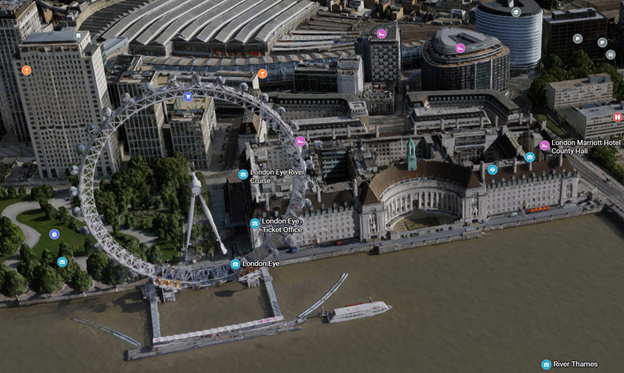
Unfortunately, when a licensing agreement exists then it also means at some point, one or both parties might decide to not continue it. Such has happened with Bing Maps, the consumer offering – it has dropped pretty much everything of interest beyond basic map and satellite views. A 3D option does offer some cartoonish generated models of some areas, though it’s a long way from being universal.

Article content
The London Eye in a mock 3D render. Looks OK from a distance but like a 1990s arcade game up close

Microsoft also had a Maps app for Windows, which was a wrapper for the Bing Maps service but could also deal with offline data. Presumably due to lack of use, the Maps app has now been taken out behind the bike shed and given a good knobbling:

Article content
Nothing to see here, move along, move along

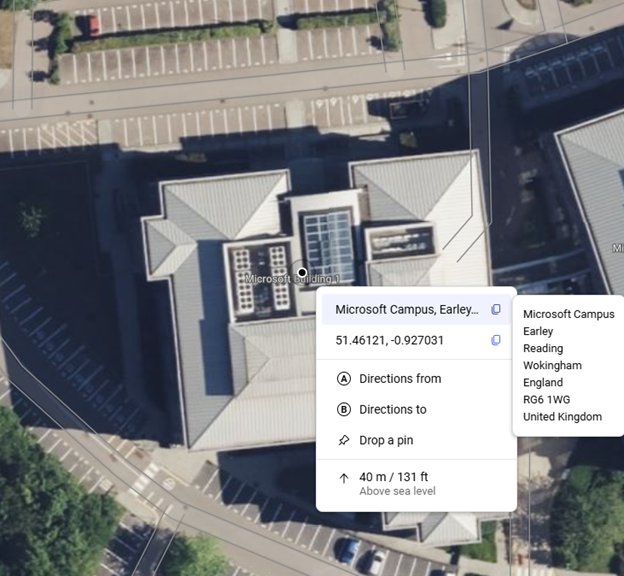
On the plus side, one useful feature which wasn’t present previously, the latest Bing Maps will show the exact address (including Post Code or Zip Code) of any point you right-click on, also displaying the lat/long coordinates and even the height above sea level.

Article content
Bing Maps still shows Microsoft Buildings in TVP. B1 is the last remaining one open.

It was announced that Microsoft is shutting down Bing Maps for Enterprise and migrating everything at the back end to using Azure Maps, which has a different set of functionality primarily aimed at developers looking at embedding maps into other sites and overlaying other data onto a map. It’s easy to wonder at what point Redmond will pull the plug from Bing Maps altogether.

Accessing Missing data from Bing

Sadly, there’s nowhere else providing the TomTom Streetside views, nor the Birds Eye images, other than going to Google Maps and seeing what they have.

If you miss the OS Maps feature from Bing Maps, there are few alternatives – the best is probably OSMaps.com, which still offers (for a subscription) what they call topographical maps (i.e. OS LandRanger or Explorer). It’s a little clunky but has a reasonable mobile app too, so you can plan trips and take them offline with you.

Article content
TVP from the Ordnance Survey site – www.osmaps.com

#784: Automatic for the People

Following on from last month’s missive (#783) on internal competition, we’re going to look at a case where it may have successfully spurred a company, and an example of surprising collaboration between erstwhile competitors.

Also, how is it 33 years since R.E.M. released AFTP?

The world’s first automatic chronograph watch

In the 1950s and 60s, clock and watch making was a hotbed of innovation just like the automobile industry  and the race for space. New designs and technologies were coming thick and fast. Quartz crystals and batteries were still way out on the horizon, so the Swiss-dominated mechanical watch industry took great pride in building very precise instruments.

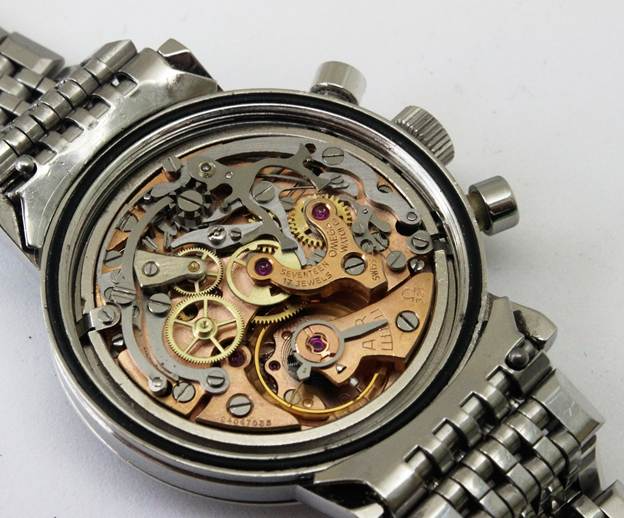
Open the back of a mechanical wristwatch and you’ll see many tiny components meshed together to make a little engine that measures out time and moves the hands on the dial appropriately.

Article content
An Omega 321 movement, as found in the Omega Speedmaster watches which went to the Moon

Everything is generally driven by a coiled spring which is tightened and powers the whole “movement” as it unwinds in a controlled fashion. Manually-wound watches usually need a few turns of the “crown” on the side, perhaps every day or two. Many clocks work the same way, but with a larger spring might only need a few minutes of winding with a key every month or so.

Though pioneered in the late 18th century, automatic watches (which wind the spring through harvesting energy from the movement of the watch on the wrist) really took off in the early part of the 20th century. If you can see the movement of an automatic watch – either through the see-through “exhibition case” sometimes fitted, or by taking the back off it – it will often have a large “rotor” which swings back and forth as you move the watch on your wrist. You might feel or even hear it moving.

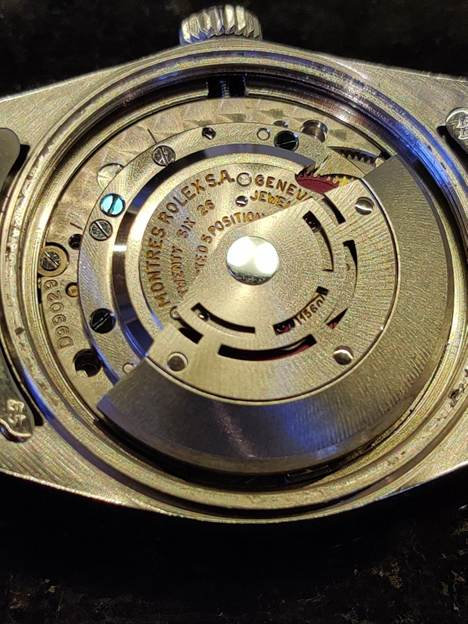
An automatic Rolex 1560 movement from the early 1960s

The rotor signifies that the dreadfully tiresome task of winding your watch every day was dispensed with. But some fancier watches with additional “complications” still had to be manually-wound; perhaps most notably chronographs, watches equipped with a stopwatch function.

Early “chronograph” clocks and watches were so called because they recorded the time using ink on the actual dial – making an ink mark or arc to record how long an event (like a horse race) lasted.

Necessity is the mother of invention

Wrist-worn chronographs (which only show the time, not write it) were popular in the 50s and 60s, especially amongst sporting types, perhaps inspired by famous racing drivers like Stirling Moss, Jim Clark or Dan Gurney.

Article content
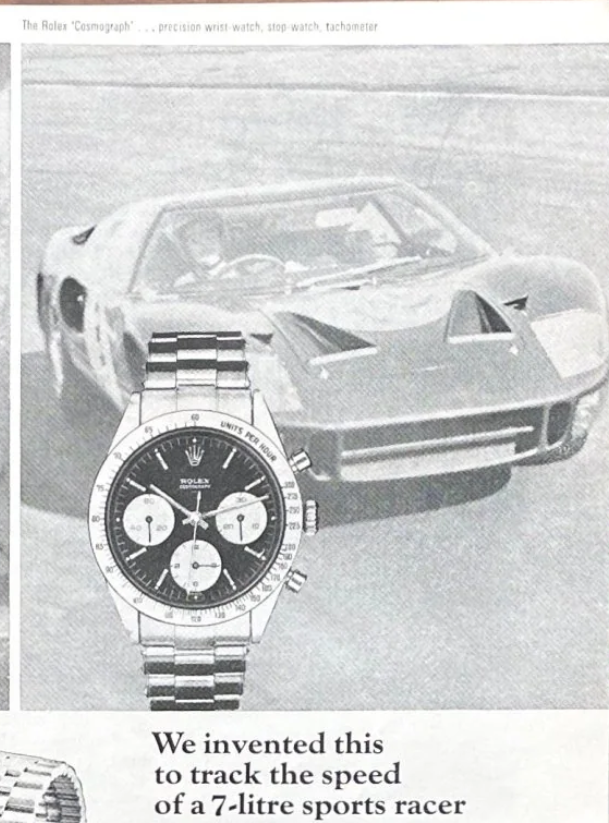
late 60s Rolex “Cosmograph” advert, egging-up the association with fast cars and watches

Go-faster watch companies even named their products like Speedmaster, Daytona (after the Floridian racing circuit) or Carrera (after the Carrera Panamericana race).

But all of these famous chronographs were manually-wound. There was clear demand for the thrusting racy gentleman to have a stopwatch on his wrist that wound itself. Unfortunately, the technical challenge of building such a complicated mechanism that was small and robust enough to wear comfortably was tough.

It was common for watch makers to buy-in the movement they fitted to their watch, just as they’d have the dial made by a specialist, the case fabricated by another and so on. Think of it like a boutique car maker producing a vehicle using an off-the-shelf engine from an external manufacturer. Even major watch producers at the time, bought watch movements from “ébauche manufactures” like Valjoux, Lemania or Venus, none of whom had the resources to dedicate to producing an automatic chronograph. The famous Paul Newman Daytona – auctioned for $15M+ – had a manual-wind Valjoux 72 movement.

So began a famous collaboration between companies that might otherwise be seen as competitors – the watchmakers Breitling, Buren, Hamilton and Heuer got together with  Dépraz, who made components for movements, to form what is now known as the Chronomatic Consortium.

Buren had pioneered their own automatic movements which had a “micro-rotor” rather than a big plate half the diameter of the watch. Dépraz had a chronograph module which they figured could be adapted to essentially bolt on to a variant of Buren’s base movement, thus giving them essentially two mechanisms powered by the same spring. In order for them all to fit together, the crown for setting the time had to be on the opposite side to the pushers that worked the chronograph.

Article content
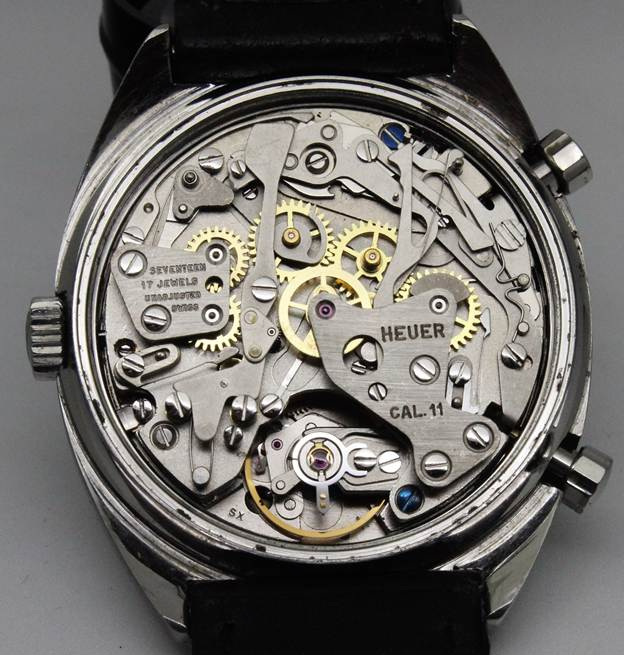
A Heuer Carrera from 1969, with the Caliber 11 movement. Note the tiny micro-rotor on the upper right of “HEUER”

In 1969, Breitling, Heuer and Hamilton (who absorbed Buren during the years of development in the late 1960s) went on to launch ostensibly similar watches with the same basic “Caliber 11” movement within. Heuer’s are arguably most iconic, with the square-cased Monaco appearing on the wrist of the King of Cool, Steve McQueen, in the 1971 film, Le Mans.

Article content
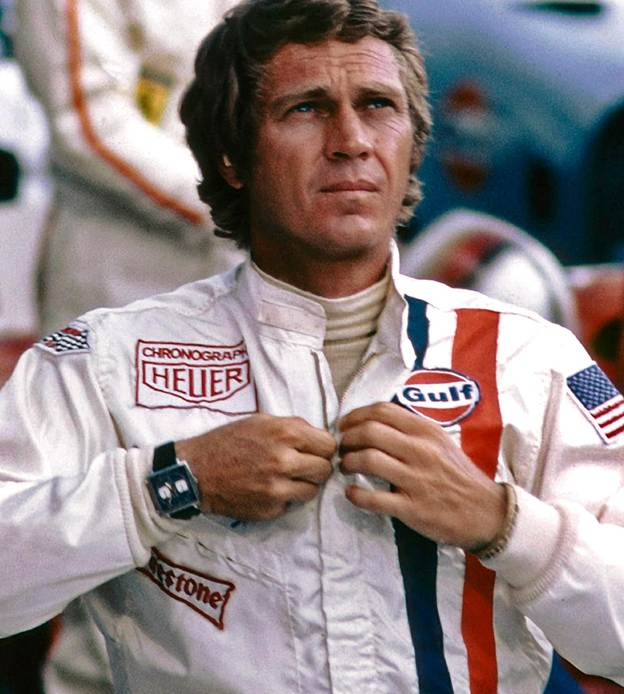
Steve McQueen supposedly chose the square Heuer Monaco to match the patch on his race suit

The story behind McQueen’s watch is quite fortuitous; Heuer had a name for sports timekeeping and sponsored various cars and race teams. When McQueen was preparing for the Le Mans film, he said he wanted to look exactly like pro driver Jo Siffert, so donned the same overalls with the big Heuer logo. They also supplied props for the filming including watches.


Heuer and the rest of the “Project 99” / Chronomatic group touted their watches as the world’s first automatic chronographs, though competitor Zenith had been working on their own in-house movement and were so confident they would be first, they launched it in a watch brazenly called “El Primero”.

Even though they’d been working on it for 8 years, and announced it in January 1969, it took Zenith until September ‘69 to start selling their watch, by which time they were more like “El Tercero”, as the Chronomatics’ Caliber 11 was already being sold under several brands, and unseen but coming up the inside on the rails was a company very far from the Swiss cartels, who had designed and built an automatic chronograph and started manufacturing AND selling it in early 1969: Seiko.

Taking on the Swiss

Founded in late 1800s, “Seiko” was in fact several companies under the family of its founder, K Hattori. As Japan opened up to outside trade and competition, Hattori-san started by importing and selling western clocks, jewellery and watches, before starting to develop its own in-house offerings.

After WWII, Seiko developed a diverse range of horological kit – the official timekeeper of the 1964 Tokyo Olympics, Japan’s first Automatic watch, its first Chronograph, first diving watch, even getting into high-end accuracy in watches such that they took the fight to the Swiss on their own turf. There were watch “trials” in Neuchâtel and Geneva in the early 60s, to showcase how manufacturers could produce watches of incredible accuracy. After a few misses, Seiko showed up and started wiping the floor – to the point where the highest profile trials were cancelled the year after. Maybe the Swiss didn’t like getting beaten so took their ball away and went home.

Seiko’s “warring factories”

Revisiting the theme of internal competition, one unusual aspect of Seiko’s approach was to have two completely separate factories, separate companies even, operating to win the same customer. Daini Seikosha, in Ginza, downtown Tokyo, and rural Suwa Seikosha, near Nagano, shared hardly any technical know-how and yet were seemingly pitching similar watches to the same customers. The short version of history is that they were out and out competitors, but a subtler take is that both Daini and Suwa were children of the parent, and expected to treat each other with familial respect, even splitting some tasks occasionally.

A somewhat unlikely source, tech company Atlassian hosts a great series of podcasts on telling stories of team working, and they had a really good 30 minute one from the depths of COVID time, on Seiko’s “Duelling Factories”.

It’s never really been satisfactorily explained why Seiko had two factories that shared so little. There are some examples where a watch developed in one was manufactured – perhaps only for a short while – in the other as well (maybe a capacity issue?), but allowing two separate R&D outfits to develop products that directly compete for the same customer seems like madness to most of us. Then again, look at vintage catalogs, and there are hundreds of pages of barely distinguishable watches, so maybe they just threw everything they could at the wall to see what stuck.

The race for space

The Suwa factory arguably won the race to make the first automatic chronograph; they had 6139-6010 model watches in production from January 1969. When Jack Heuer, CEO of the eponymous company, was exhibiting their first Caliber 11 watches at the Baselworld show in the spring of 1969, Seiko’s president congratulated him on their achievement, electing not to mention that Seiko had built their own, integrated, in-house automatic chronograph and had been already selling it for months, at a fraction of the price of the Heuers, et al.

The 6139 chronograph went into numerous shaped watches over the decade or so of production, famously adorning the wrists of Bruce Lee, Flash Gordon, even making it as the first automatic chronograph in space via the pocket of Col William Pogue. What later transpired is that Pogue’s mission Commander, Jerry Carr, was sneaking aboard a Movado chronograph too. Movado was a sister brand to Zenith, and its watch ran on Zenith’s 3019 PHC “El Primero” movement. So a dead heat to be the first in zero gravity, then.

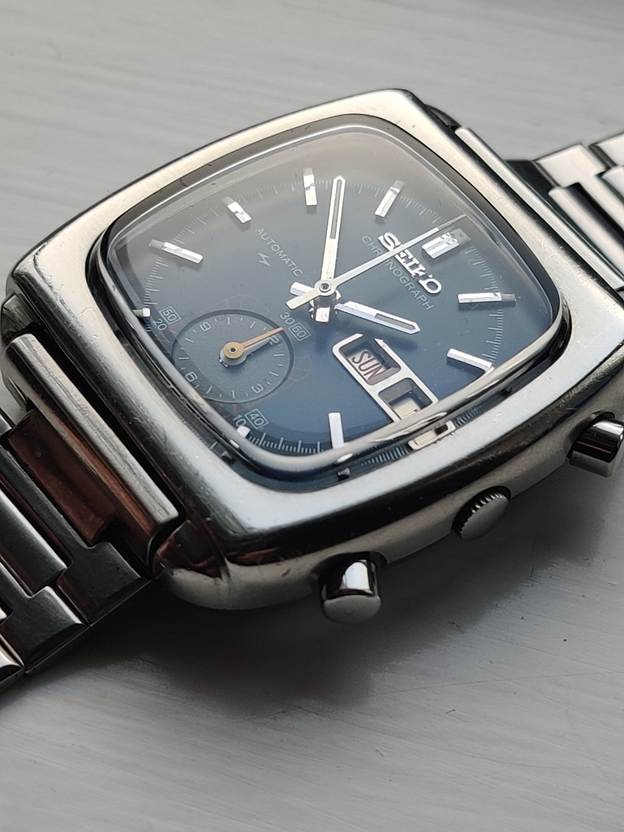
In the meantime, the Daini Seikosha factory had been working on its own, thinner and slightly more exotic, automatic chronograph movement – the 7016. Sharing no components whatsoever and being of quite different architecture to the 6139, the 7016 was a few years later to market and arguably missed the buzz of its sibling. As such, 701x watches are a good bit rarer.

Article content
Seiko 6139-6001 from October1970 – note the Suwa logo below the hands just above the subdial
Article content
Seiko 7016-5001 “Monaco” from August 1974 – the Daini logo sits just below AUTOMATIC at 9 o’clock

Both movements were integrated, i.e. designed from the outset as automatic chronographs, rather than bolted together such as the Chronomatic Cal 11. The 6139 was the first chronograph to use a vertical clutch, an advanced coupling mechanism now the norm for high-end watches from Rolex, Patek Phillippe and so on. The 7016 has a sub-dial register which counts both hours and minutes, has a horizontal clutch but features a flyback mechanism and was the thinnest automatic chronograph movement for 15 years. The more popular square-ish case shape also leads to its nickname, “Monaco”, after the Heuer model.

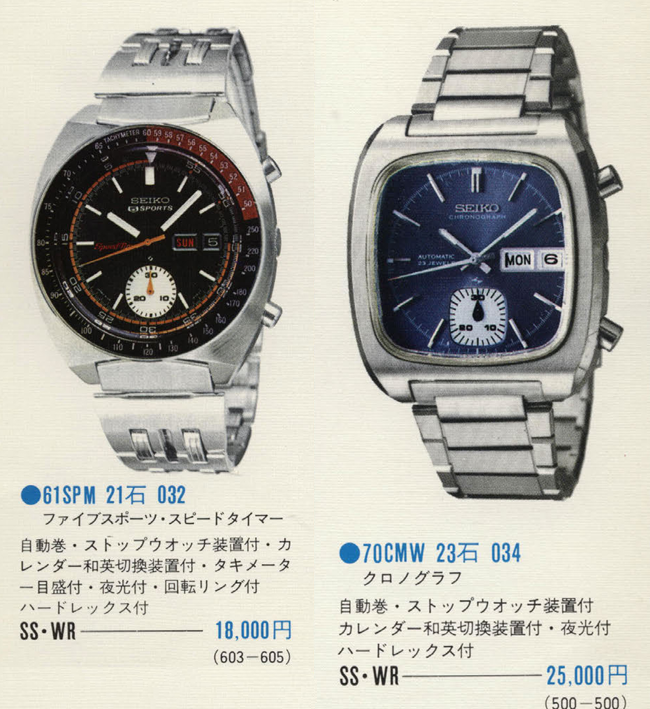
Taken from 1972 JDM Seiko catalogs
Article content

Maybe they were aimed at the same customer, though the 7016 was around 38% more expensive than an equivalent 6139. Presumably available side-by-side from the same retailer. What were they thinking?

#783: Is competition innovative or distracting?

Anyone who has worked in technology has probably dealt with a competitive situation.

Maybe it’s trying to position your solution against all the others companies’ products, perhaps it’s the annual performance review tussle with your so-called “co-workers” or you’re just trying to get funding or investment from the higher-ups to get something done (when they might prefer to spend the money elsewhere). It can be exhilarating and exhausting.

Competing with other external parties to deliver a service or a product probably sharpens the minds of the people developing it, so in theory having strong competitors should make you stronger too (or you don’t survive). But does internal competition improve offerings,  make the organisation more efficient, or is just a giant distraction? If “leaders” spend time fighting with each other instead of focussing on the end goal, maybe they’ll eventually lose out to more agile or innovative competitors [See IBM, HP, Digital, Intel…]

Some companies have consciously fostered internal competition or even conflict to accelerate their own developments. Occasionally, companies will pool resources with erstwhile competitors to help them innovate more quickly or to gang up against even stronger companies.

Microsoft and Apple

Both Microsoft and Apple have evolved through several phases from the mid-1970s until now. For Apple, there was the first era of founding Steves Jobs & Woz, then Jobs booted out and Apple nearly going bust, Jobs coming back and saving the world, before Tim Apple took the company to be the biggest in the world.

Microsoft had a parallel of Bill & Paul founding and expanding in the early days of microcomputing, to Windows dominating the OS landscape, Steve Ballmer taking over and laying some of the groundwork for the transformation to being a cloud company that Satya has driven.

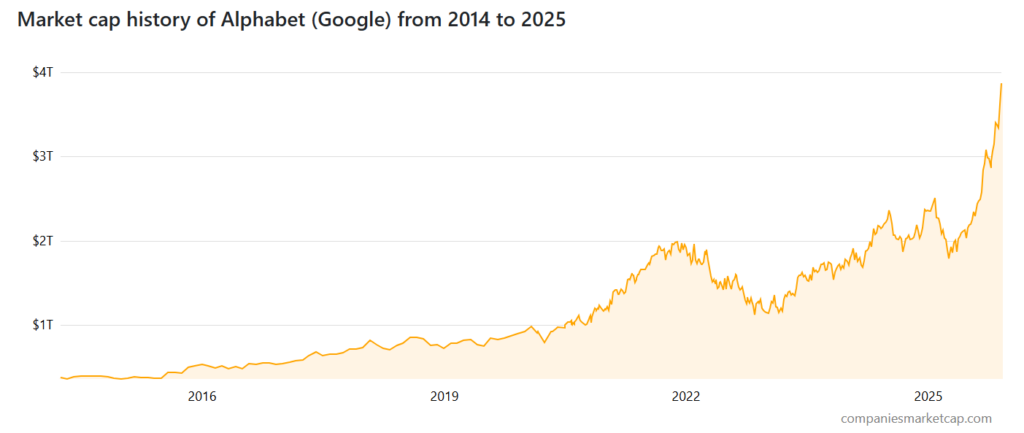
Not many companies get to pivot so many times and still be not just relevant but at the front of their field. They’re still 2 of the most valuable companies ever, by market cap, at time of writing, stocks can fall as well as rise etc etc. Somewhat ironically, since starting to write this piece, Google has overtaken Microsoft for the first time, their value more than doubling in less than 8 months.

Article content

A bubble, you say? Shurely shome mishtake.

Maybe the presence of a talismanic founder or two can help companies in their early stages – in Robert X Cringely’s excellent historical guide to the early days of the microcomputer industry, Accidental Empires (1992), he addresses both Jobs and Gates. Chapter 10, “The Prophet”, starts by calling Steve “The most dangerous man in Silicon Valley”. Bill, in “Chairman Bill Leads the Workers in Song” is characterised as the Henry Ford of the microcomputer industry.

Sometimes, Bill is said to have actively fostered internal competition between different groups rather than imposing a way of doing things – the thinking being that if two or three groups each try to solve a problem then the best solution will win.

Article content

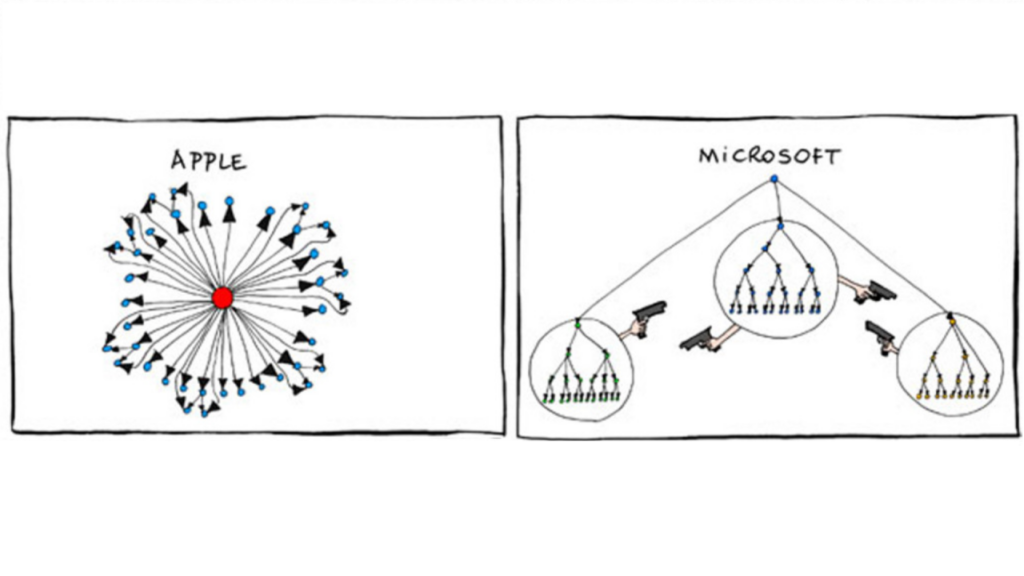
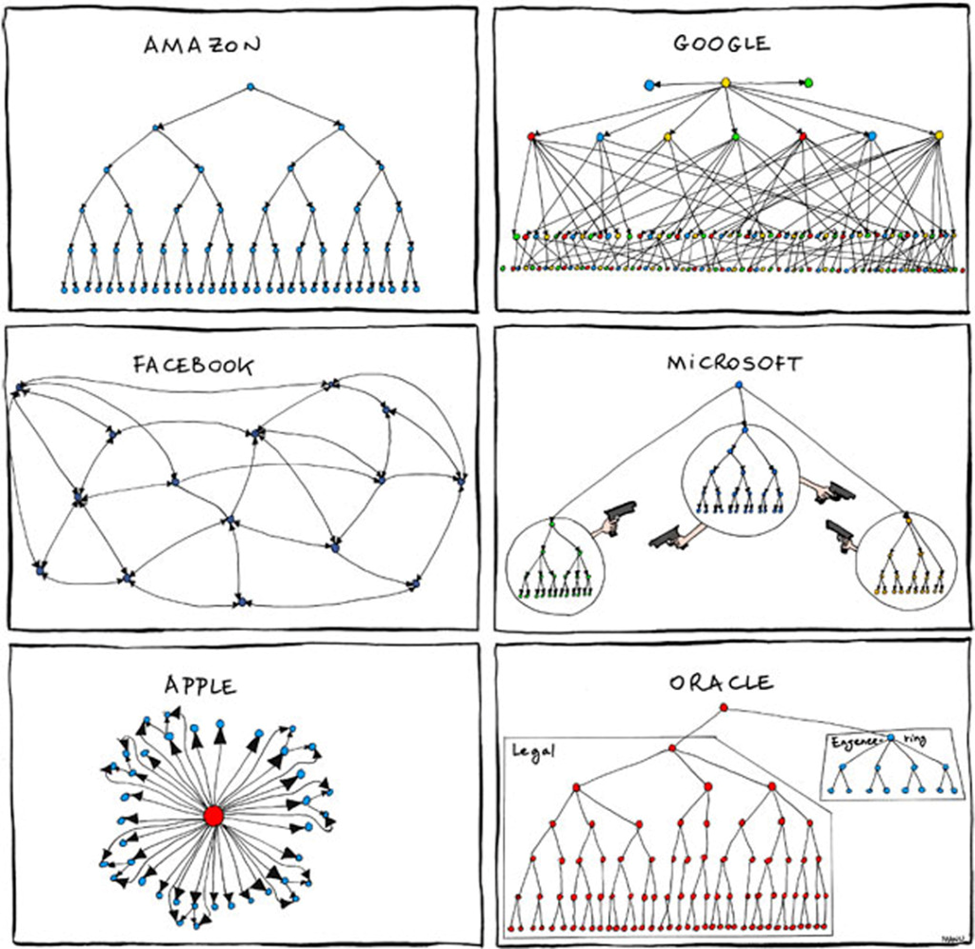
This old joke org chart comparison illustrates a few truisms – at Google, Larry & Sergei might have had the ideas, but Eric Schmidt ran everything. Oracle perhaps spent more on enforcing licensing than on engineering, and at Apple (post 1996), everything revolved around Steve and all decisions went back to him.

But if you were at Microsoft in the early 2000s, you’d smirk with recognition at the warring nature of how their product groups sometimes behaved.


MS: Not just about Windows

For many years, Microsoft had the two cash cows of Windows and Office. The Operating system was licensed to PC manufacturers and sold to enthusiasts and businesses who upgrade every few years. People even queued at midnight on August 24th 1995 to buy a copy of Windows 95; apocryphal stories did the rounds of some shoppers not even owning a computer but they got caught up in the hype for fear of missing something.

Internal influence was rather staked on which part of the division you worked in – Windows, especially under BillG’s tenure when everything else pretty much had to support the Windows business, was the big dog. Office was somewhat secondary but also made Mac versions and was bought by people devolved from whatever cycle they replaced their PC or upgraded its operating system. Server products which ran on Windows NT Server but were tied into usage of Office somewhat straddled the two.

It wasn’t uncommon for Microsoft to have multiple products which overlapped yet were built by different teams – Windows 3.x vs OS/2, Windows 95/98 vs Windows NT, Office vs MS Works, Internet Explorer vs MSN. Even within product groups, there were often numerous bits of technology being developed which had already been built by another team (at one point there were 3 or 4 different and incompatible ways of doing “workflow” processes).

There’s no doubt that there was wasted effort – products would go through long development cycles only to be canned before release (or like KIN, shortly after). In a remarkably honest interview to coincide with Microsoft’s 50 years anniversary, Steve Ballmer admitted there were silos between productivity and systems divisions. A very in-depth interview with Steve on the Acquired Podcast delves deeper into his regrets around the “Longhorn” development that cost the company years.

Show me the money!

Between 1997 and 2000, the company’s revenue grew from $12Bn to $23Bn but net income nearly tripled from $3.5 to $9.5Bn. What was behind the success? Enterprise software sales. The steady growth of Windows NT and the associated client licenses for running back-office servers, along with SQL Server database and Exchange Server for email was really paying off.

By comparison, Microsoft’s FY25 numbers came out at $281.7Bn with a net income of $101.8Bn – even adjusting the FY2000 numbers using the Bank of England Inflation calculator, the latest figures are remarkable. 2025 revenue is 641% of 2000’s and net income is 561%.

Over time, Microsoft shifted away from just being dependent on Windows & Office, by adding numerous other successful businesses, focusing on Enterprise then the cloud and latterly bunging AI into every offering.

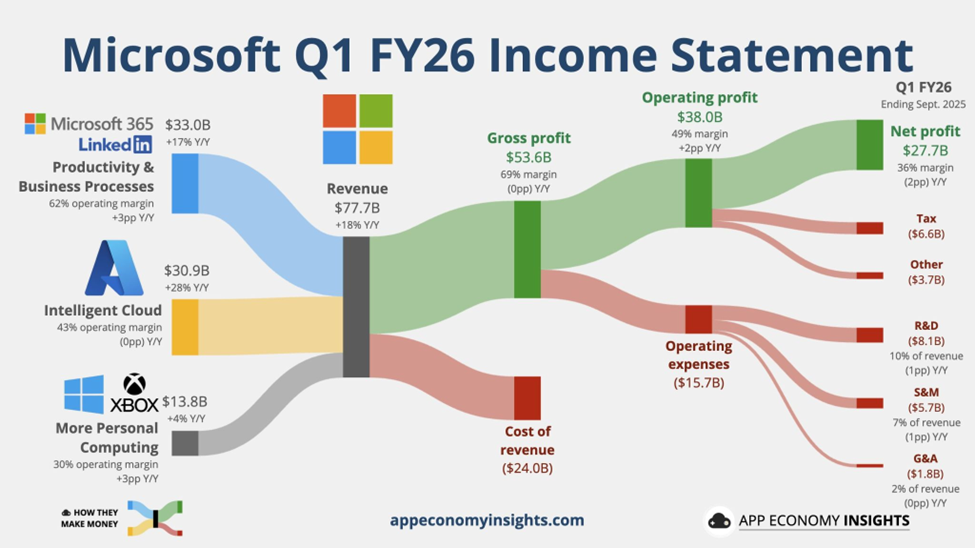
Every quarter when they release fiscal results, Jack Rowbotham posts on LinkedIn summarising where the money flows – and using visuals produced by App Economy Insights it’s quite clear where the power lies now.

Article content

Whatever you think of Microsoft, if you cut the company, they bleed software (and services).

Hardware has always been a means to an end – to sell and use the software. The original Microsoft Mouse was just a way to get people used to the graphical interface that would eventually be the key UX of Windows. Today, Surface devices aim to show how a great PC can be and, for now at least, Xbox continues to be the means to sell more games (and Game Pass subscriptions).


Apple – the Return of the King

Article content

Microsoft and Apple have had a “complicated” relationship since the early days.

Bill and Steve had a degree of respect and even friendship for each other, but as both companies became successful there were clearly times when they were at loggerheads.

Article content

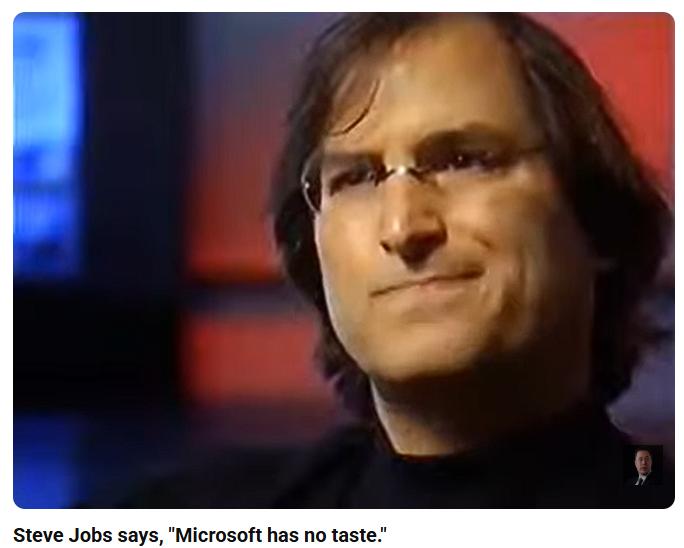
In that seminal interview, Steve lays out his vision for humanity of taking the very best of things to improve itself, casting Apple as true innovators and Microsoft as pedestrian followers.

Jobs famously went to visit Xerox PARC and took inspiration from what they were doing with graphics, mouse, printers and networking as the genesis of the Apple Lisa and later Macintosh products. The Mac has always been a niche offering – arguably beautiful, proprietary and expensive, it could never really compete for the mainstream in the same way that Mercedes or Jaguar or BMW were always going to be in a different league to Ford and Toyota.

The PC and DOS had become hugely successful and when Microsoft debuted Windows, Apple was clearly not happy. Lower-cost, more diverse PCs with many peripheral and software companies building on top of them competed against the Macs with relatively few software packages being developed. Jobs was fired by Apple in 1985. There were attempts to create other products, like the Newton, but they proved unsuccessful and perhaps a costly distraction.

Apple was circling the drain, and at the time of Jobs’ return in 1997, it was said that Microsoft made more money selling Office to Mac users than Apple did selling Macs to Mac users.

Quoting Bob Cringely again, whose book was published before Steve Jobs came back to save Apple from itself:

Steve Jobs holds an idea that keeps some grown men and women of the Valley awake at night. Unlike these insomniacs, Jobs isn’t in this business for the money, and that’s what makes him dangerous.

Jobs came back and brought in some help from outside – including Larry Ellison from Oracle, despite the boos from the faithful. Steve began admitting that Apple would like to do some software and having software industry expertise on the board might be a good idea.

He also suggested that Apple and Microsoft were going to partner more closely – as a way of resolving some long-time disputes relating to look and feel of Windows and Mac, and Microsoft agreeing to keep supporting the Mac platform with releases of Office at the same cadence of the ones for Windows.

Microsoft was also going to pump some cash in to make sure Apple was kept alive (a useful bet against the Department of Justice, who were breathing down Redmond’s neck at the time). The $150M of non-voting stock that Microsoft bought was sold 6 years later for $550M, so that worked out well.

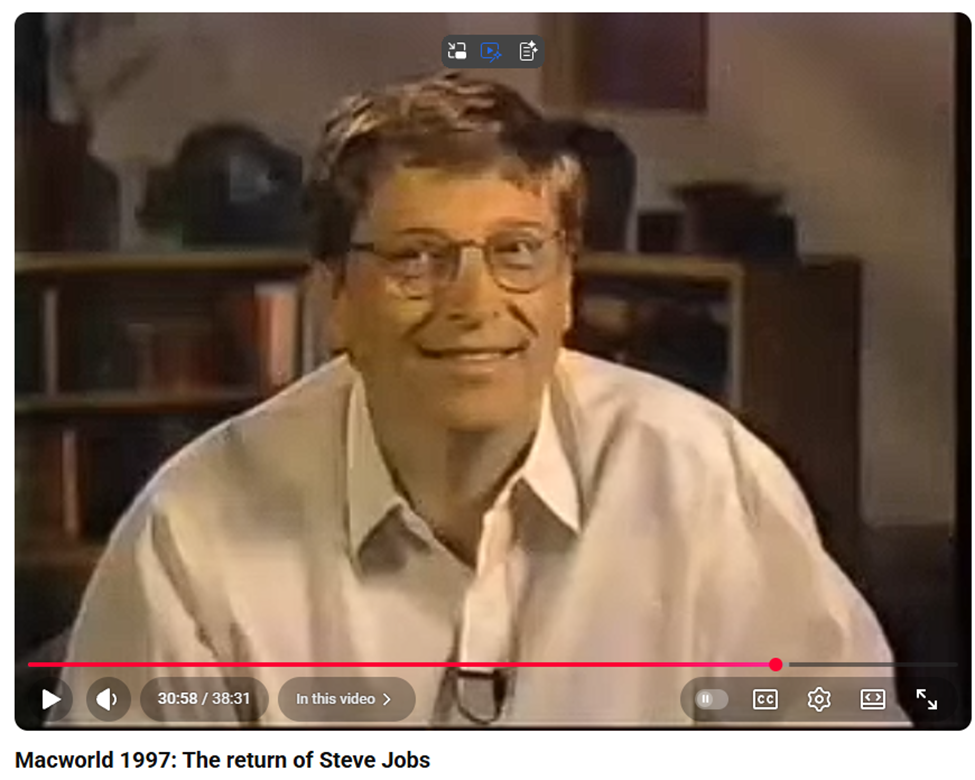
The jeers from the Apple fans at Macworld 97 were not just reserved for Larry from Redwood: Bill from Redmond got even more.

Article content

Jobs made a hugely important point to the Macworld congregation at the time: they need to let go of the idea that for Apple to win, Microsoft has to lose. This idea that competitors can sometimes work together for mutual benefit or even survival is clearly valid.

Apple makes Things

Meanwhile, Apple has gone from near death to world dominance. Jobs led an obsessive focus on customer experience, which made sure they built products that people loved. The iMac injected some pizazz into the ageing Mac product lineup, launched a hugely successful laptop line in PowerBook and MacBook, and came up with a variety of ancillary products like the iPod, iPhone, iPad and Apple Watch. By Q1 2007, the iPod on its own was responsible for almost half of Apple’s revenue.

The iPhone was the true saviour of Apple. For the first time, it attracted new customers to the brand, and they’d go on to buy Macs because they liked the experience (and the integration was well thought out). But it had a difficult gestation: Jobs deliberately kept the development of iPhone separate from the Mac, with direct oversight and freedom for that design team. He fostered direct – sometimes hostile – competition for the software platform to be used in the phone. Either the iPod would grow to become a phone, or the Mac OS X would be shrunk to form a new OS. The latter prevailed.

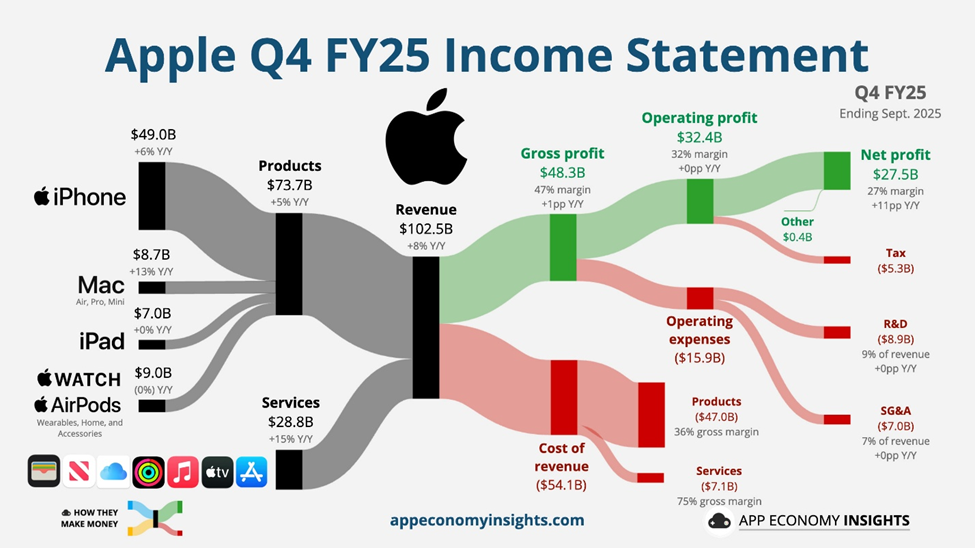
Looking at Apple’s fiscal makeup today, you can see that the majority of its revenue comes from products like iPhone, but services like iCloud, Apple TV, iTunes etc make up 28% of its revenue but 45% of its gross profit.

Article content

If you cut Apple, it bleeds devices and the related experience. They make great hardware which people love because the design and the software that drives it is well thought out. But the profitability growth is really behind the subscription services that provide that experience: nearly 45% of Apple’s gross profit comes from that services line, even though it accounts for only around one quarter of its revenue.


Are they still competitors?

Having been frenemies for some time and outright competitors for years (remember the I’m a Mac adverts? … not sure some of them would make the cut these days), do Apple and Microsoft still see each other as even relevant let alone a threat or opportunity?

Article content

Well, Windows still has the lion’s share of the desktop OS, though it’s fallen from around 85% to 65% over the last decade. The key thing is, the desktop has lost its dominance with more people using phones and tablets, and since Microsoft failed to compete in the phone OS and never really built a compelling tablet, it’s even stevens.

In its early days, Apple’s iCloud storage was partly on Amazon’s AWS and partly on Microsoft’s Azure cloud service – in fact, Apple was among the largest 3rd party users of Azure at the time. Reportedly, iCloud moved to Google Cloud and kept on using AWS for some too, alongside massive investments in their own datacenters.

Nowadays, Microsoft pretty much bundles Office in with a subscription so Mac users might not be counted a significant revenue stream on their own. M365 doesn’t care what device you’re using to access its services, as long as you are.

Very significantly, when Satya Nadella took over as Microsoft CEO, Office for iPad and iPhone were quickly released. Some commentators incorrectly attributed Satya’s new openness (Linux on Azure and all that) to account for the release of Office for iDevices, but the development had been underway for years. Steve Ballmer – who famously faux-smashed an employee’s iPhone – had given it the green light.

So, is internal competition really a good thing?

We can never really be sure.

Having several groups pursuing the same goal is inevitably “wasting” resource, but it may be that without that competitive tension they’d miss key breakthroughs, or fail to challenge long-held assumptions. Recognising and capitalising on opportunity, regardless of how difficult its gestation, that’s what marks out success in the long run.

What Apple and Microsoft have both done is to evolve their missions over time; freed the dependence on one cash cow in order to cultivate others. Just as old dogs lose out to young pups and newly-dominant lions kill the cubs of their predecessors for the survival of their pride, maybe the only way for some companies to survive is to encourage and embrace the “overhead” of internal competition in order to find new business.