#784: Automatic for the People

Following on from last month’s missive (#783) on internal competition, we’re going to look at a case where it may have successfully spurred a company, and an example of surprising collaboration between erstwhile competitors.

Also, how is it 33 years since R.E.M. released AFTP?

The world’s first automatic chronograph watch

In the 1950s and 60s, clock and watch making was a hotbed of innovation just like the automobile industry  and the race for space. New designs and technologies were coming thick and fast. Quartz crystals and batteries were still way out on the horizon, so the Swiss-dominated mechanical watch industry took great pride in building very precise instruments.

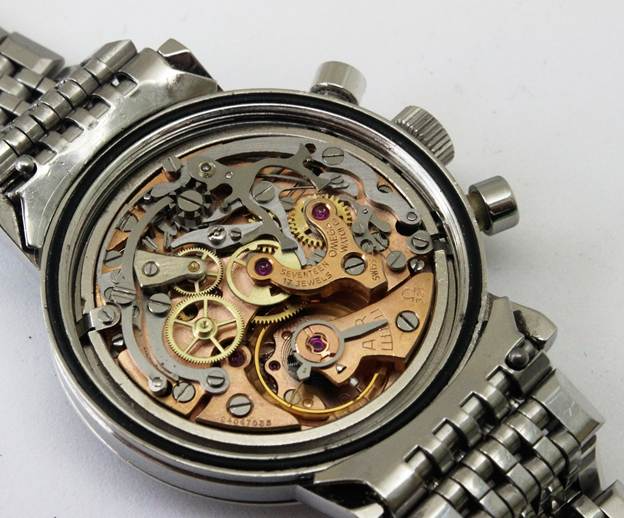
Open the back of a mechanical wristwatch and you’ll see many tiny components meshed together to make a little engine that measures out time and moves the hands on the dial appropriately.
Article content
An Omega 321 movement, as found in the Omega Speedmaster watches which went to the Moon

Everything is generally driven by a coiled spring which is tightened and powers the whole “movement” as it unwinds in a controlled fashion. Manually-wound watches usually need a few turns of the “crown” on the side, perhaps every day or two. Many clocks work the same way, but with a larger spring might only need a few minutes of winding with a key every month or so.

Though pioneered in the late 18th century, automatic watches (which wind the spring through harvesting energy from the movement of the watch on the wrist) really took off in the early part of the 20th century. If you can see the movement of an automatic watch – either through the see-through “exhibition case” sometimes fitted, or by taking the back off it – it will often have a large “rotor” which swings back and forth as you move the watch on your wrist. You might feel or even hear it moving.
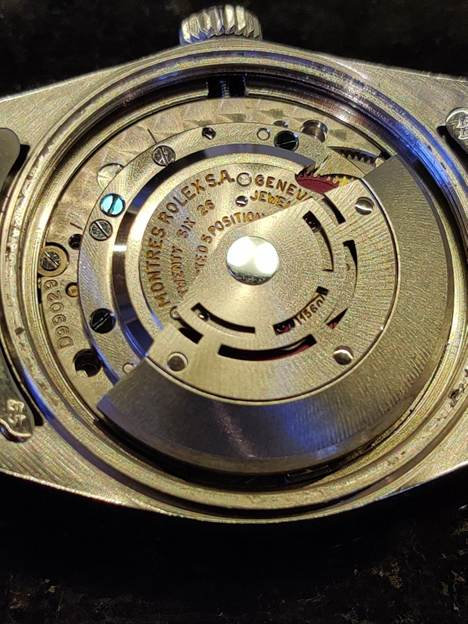
An automatic Rolex 1560 movement from the early 1960s

The rotor signifies that the dreadfully tiresome task of winding your watch every day was dispensed with. But some fancier watches with additional “complications” still had to be manually-wound; perhaps most notably chronographs, watches equipped with a stopwatch function.

Early “chronograph” clocks and watches were so called because they recorded the time using ink on the actual dial – making an ink mark or arc to record how long an event (like a horse race) lasted.

Necessity is the mother of invention

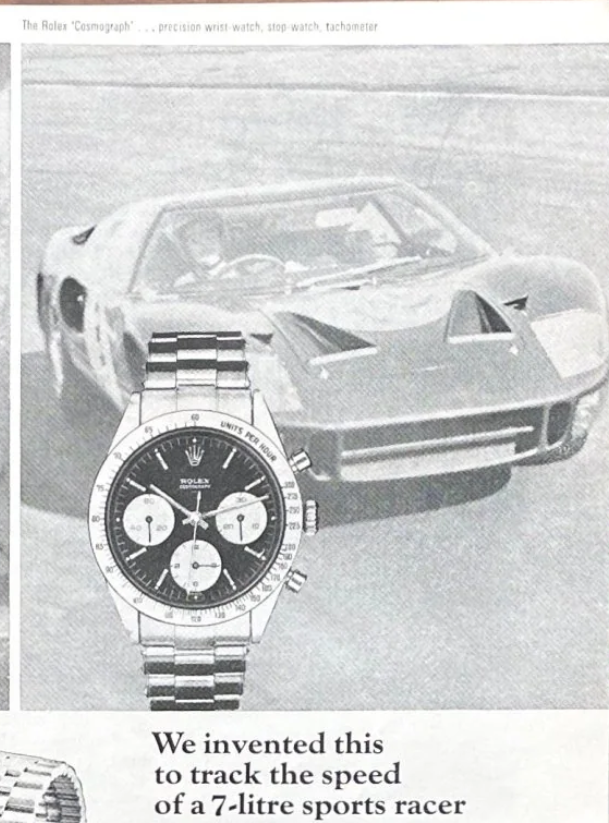
Wrist-worn chronographs (which only show the time, not write it) were popular in the 50s and 60s, especially amongst sporting types, perhaps inspired by famous racing drivers like Stirling Moss, Jim Clark or Dan Gurney.
Article content
late 60s Rolex “Cosmograph” advert, egging-up the association with fast cars and watches

Go-faster watch companies even named their products like Speedmaster, Daytona (after the Floridian racing circuit) or Carrera (after the Carrera Panamericana race).

But all of these famous chronographs were manually-wound. There was clear demand for the thrusting racy gentleman to have a stopwatch on his wrist that wound itself. Unfortunately, the technical challenge of building such a complicated mechanism that was small and robust enough to wear comfortably was tough.

It was common for watch makers to buy-in the movement they fitted to their watch, just as they’d have the dial made by a specialist, the case fabricated by another and so on. Think of it like a boutique car maker producing a vehicle using an off-the-shelf engine from an external manufacturer. Even major watch producers at the time, bought watch movements from “ébauche manufactures” like Valjoux, Lemania or Venus, none of whom had the resources to dedicate to producing an automatic chronograph. The famous Paul Newman Daytona – auctioned for $15M+ – had a manual-wind Valjoux 72 movement.

So began a famous collaboration between companies that might otherwise be seen as competitors – the watchmakers Breitling, Buren, Hamilton and Heuer got together with  Dépraz, who made components for movements, to form what is now known as the Chronomatic Consortium.

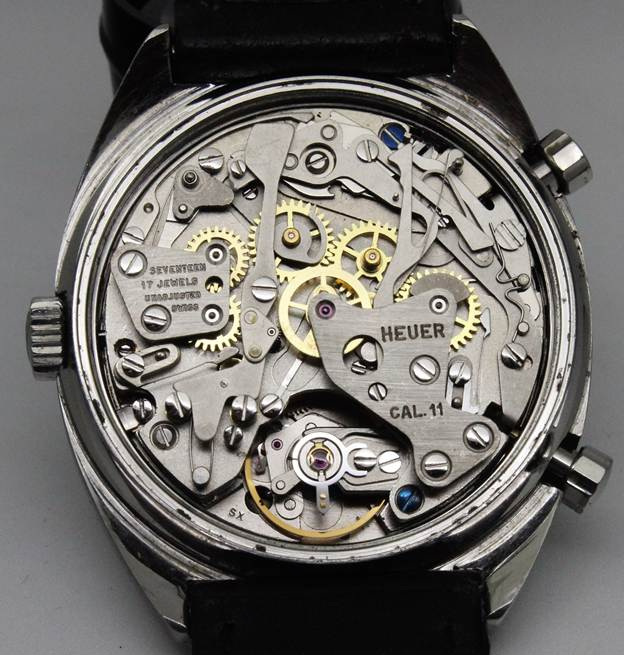
Buren had pioneered their own automatic movements which had a “micro-rotor” rather than a big plate half the diameter of the watch. Dépraz had a chronograph module which they figured could be adapted to essentially bolt on to a variant of Buren’s base movement, thus giving them essentially two mechanisms powered by the same spring. In order for them all to fit together, the crown for setting the time had to be on the opposite side to the pushers that worked the chronograph.
Article content
A Heuer Carrera from 1969, with the Caliber 11 movement. Note the tiny micro-rotor on the upper right of “HEUER”

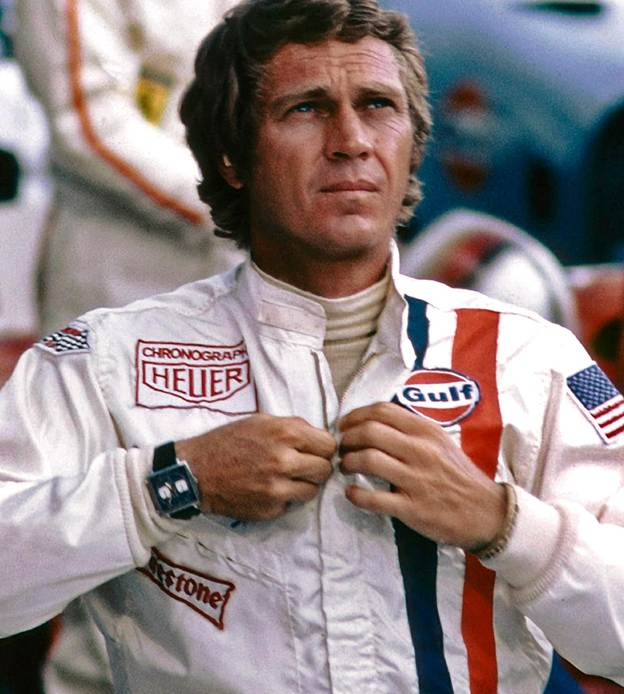
In 1969, Breitling, Heuer and Hamilton (who absorbed Buren during the years of development in the late 1960s) went on to launch ostensibly similar watches with the same basic “Caliber 11” movement within. Heuer’s are arguably most iconic, with the square-cased Monaco appearing on the wrist of the King of Cool, Steve McQueen, in the 1971 film, Le Mans.
Article content
Steve McQueen supposedly chose the square Heuer Monaco to match the patch on his race suit

The story behind McQueen’s watch is quite fortuitous; Heuer had a name for sports timekeeping and sponsored various cars and race teams. When McQueen was preparing for the Le Mans film, he said he wanted to look exactly like pro driver Jo Siffert, so donned the same overalls with the big Heuer logo. They also supplied props for the filming including watches.


Heuer and the rest of the “Project 99” / Chronomatic group touted their watches as the world’s first automatic chronographs, though competitor Zenith had been working on their own in-house movement and were so confident they would be first, they launched it in a watch brazenly called “El Primero”.

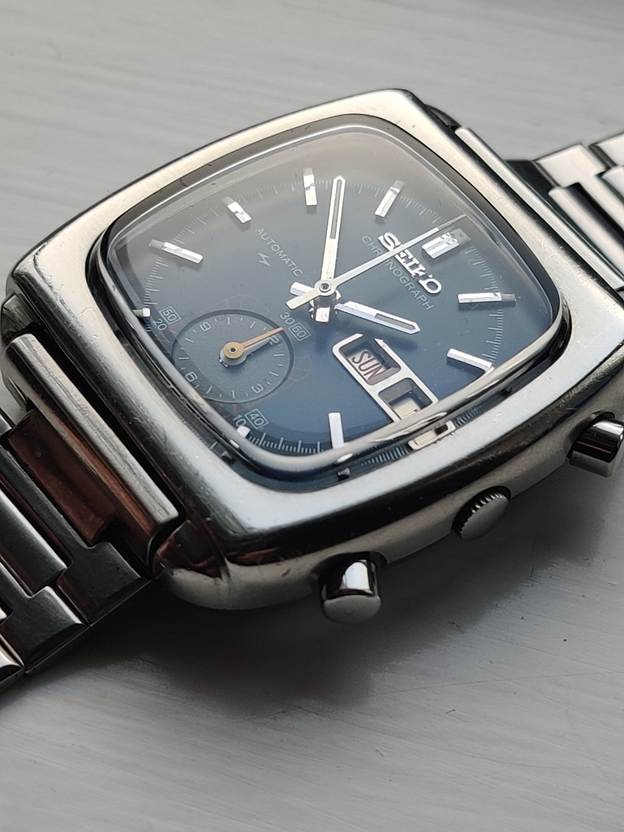
Even though they’d been working on it for 8 years, and announced it in January 1969, it took Zenith until September ‘69 to start selling their watch, by which time they were more like “El Tercero”, as the Chronomatics’ Caliber 11 was already being sold under several brands, and unseen but coming up the inside on the rails was a company very far from the Swiss cartels, who had designed and built an automatic chronograph and started manufacturing AND selling it in early 1969: Seiko.

Taking on the Swiss

Founded in late 1800s, “Seiko” was in fact several companies under the family of its founder, K Hattori. As Japan opened up to outside trade and competition, Hattori-san started by importing and selling western clocks, jewellery and watches, before starting to develop its own in-house offerings.

After WWII, Seiko developed a diverse range of horological kit – the official timekeeper of the 1964 Tokyo Olympics, Japan’s first Automatic watch, its first Chronograph, first diving watch, even getting into high-end accuracy in watches such that they took the fight to the Swiss on their own turf. There were watch “trials” in Neuchâtel and Geneva in the early 60s, to showcase how manufacturers could produce watches of incredible accuracy. After a few misses, Seiko showed up and started wiping the floor – to the point where the highest profile trials were cancelled the year after. Maybe the Swiss didn’t like getting beaten so took their ball away and went home.

Seiko’s “warring factories”

Revisiting the theme of internal competition, one unusual aspect of Seiko’s approach was to have two completely separate factories, separate companies even, operating to win the same customer. Daini Seikosha, in Ginza, downtown Tokyo, and rural Suwa Seikosha, near Nagano, shared hardly any technical know-how and yet were seemingly pitching similar watches to the same customers. The short version of history is that they were out and out competitors, but a subtler take is that both Daini and Suwa were children of the parent, and expected to treat each other with familial respect, even splitting some tasks occasionally.

A somewhat unlikely source, tech company Atlassian hosts a great series of podcasts on telling stories of team working, and they had a really good 30 minute one from the depths of COVID time, on Seiko’s “Duelling Factories”.

It’s never really been satisfactorily explained why Seiko had two factories that shared so little. There are some examples where a watch developed in one was manufactured – perhaps only for a short while – in the other as well (maybe a capacity issue?), but allowing two separate R&D outfits to develop products that directly compete for the same customer seems like madness to most of us. Then again, look at vintage catalogs, and there are hundreds of pages of barely distinguishable watches, so maybe they just threw everything they could at the wall to see what stuck.

The race for space

The Suwa factory arguably won the race to make the first automatic chronograph; they had 6139-6010 model watches in production from January 1969. When Jack Heuer, CEO of the eponymous company, was exhibiting their first Caliber 11 watches at the Baselworld show in the spring of 1969, Seiko’s president congratulated him on their achievement, electing not to mention that Seiko had built their own, integrated, in-house automatic chronograph and had been already selling it for months, at a fraction of the price of the Heuers, et al.

The 6139 chronograph went into numerous shaped watches over the decade or so of production, famously adorning the wrists of Bruce Lee, Flash Gordon, even making it as the first automatic chronograph in space via the pocket of Col William Pogue. What later transpired is that Pogue’s mission Commander, Jerry Carr, was sneaking aboard a Movado chronograph too. Movado was a sister brand to Zenith, and its watch ran on Zenith’s 3019 PHC “El Primero” movement. So a dead heat to be the first in zero gravity, then.

In the meantime, the Daini Seikosha factory had been working on its own, thinner and slightly more exotic, automatic chronograph movement – the 7016. Sharing no components whatsoever and being of quite different architecture to the 6139, the 7016 was a few years later to market and arguably missed the buzz of its sibling. As such, 701x watches are a good bit rarer.
Article content
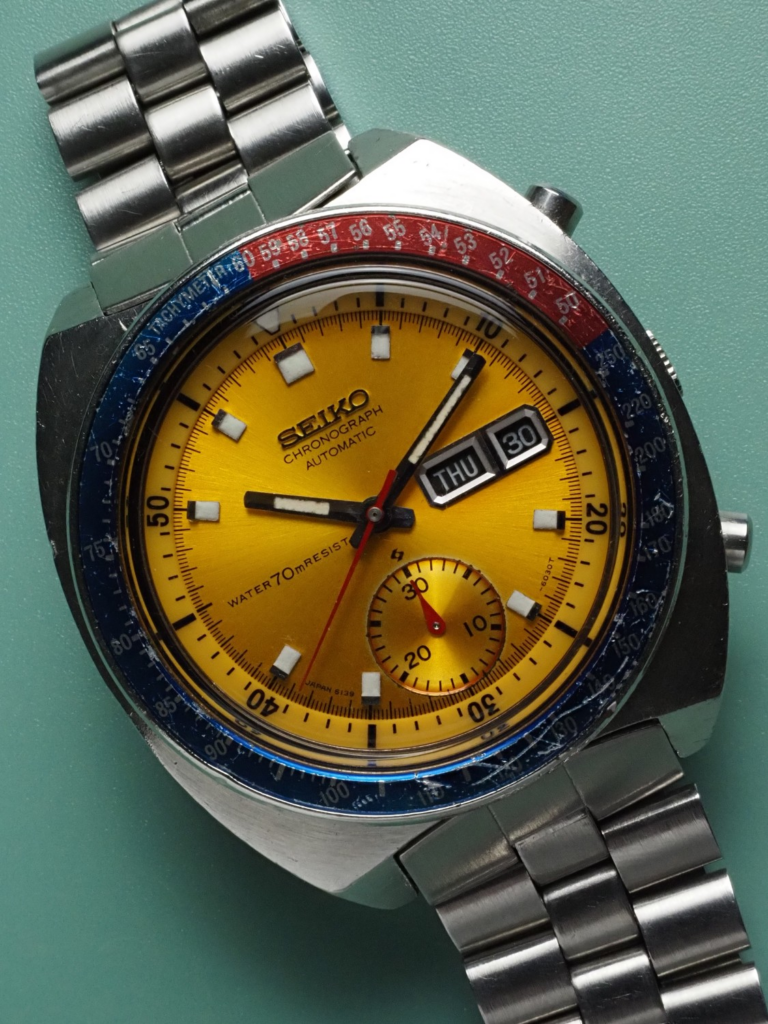
Seiko 6139-6001 from October1970 – note the Suwa logo below the hands just above the subdial
Article content
Seiko 7016-5001 “Monaco” from August 1974 – the Daini logo sits just below AUTOMATIC at 9 o’clock

Both movements were integrated, i.e. designed from the outset as automatic chronographs, rather than bolted together such as the Chronomatic Cal 11. The 6139 was the first chronograph to use a vertical clutch, an advanced coupling mechanism now the norm for high-end watches from Rolex, Patek Phillippe and so on. The 7016 has a sub-dial register which counts both hours and minutes, has a horizontal clutch but features a flyback mechanism and was the thinnest automatic chronograph movement for 15 years. The more popular square-ish case shape also leads to its nickname, “Monaco”, after the Heuer model.
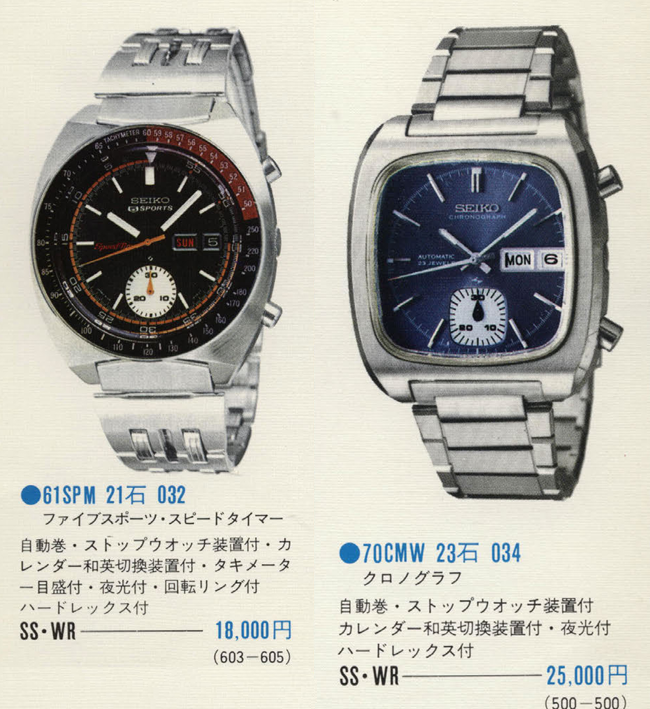
Taken from 1972 JDM Seiko catalogs
Article content

Maybe they were aimed at the same customer, though the 7016 was around 38% more expensive than an equivalent 6139. Presumably available side-by-side from the same retailer. What were they thinking?
#783: Is competition innovative or distracting?

Anyone who has worked in technology has probably dealt with a competitive situation.

Maybe it’s trying to position your solution against all the others companies’ products, perhaps it’s the annual performance review tussle with your so-called “co-workers” or you’re just trying to get funding or investment from the higher-ups to get something done (when they might prefer to spend the money elsewhere). It can be exhilarating and exhausting.

Competing with other external parties to deliver a service or a product probably sharpens the minds of the people developing it, so in theory having strong competitors should make you stronger too (or you don’t survive). But does internal competition improve offerings,  make the organisation more efficient, or is just a giant distraction? If “leaders” spend time fighting with each other instead of focussing on the end goal, maybe they’ll eventually lose out to more agile or innovative competitors [See IBM, HP, Digital, Intel…]

Some companies have consciously fostered internal competition or even conflict to accelerate their own developments. Occasionally, companies will pool resources with erstwhile competitors to help them innovate more quickly or to gang up against even stronger companies.

Microsoft and Apple

Both Microsoft and Apple have evolved through several phases from the mid-1970s until now. For Apple, there was the first era of founding Steves Jobs & Woz, then Jobs booted out and Apple nearly going bust, Jobs coming back and saving the world, before Tim Apple took the company to be the biggest in the world.

Microsoft had a parallel of Bill & Paul founding and expanding in the early days of microcomputing, to Windows dominating the OS landscape, Steve Ballmer taking over and laying some of the groundwork for the transformation to being a cloud company that Satya has driven.

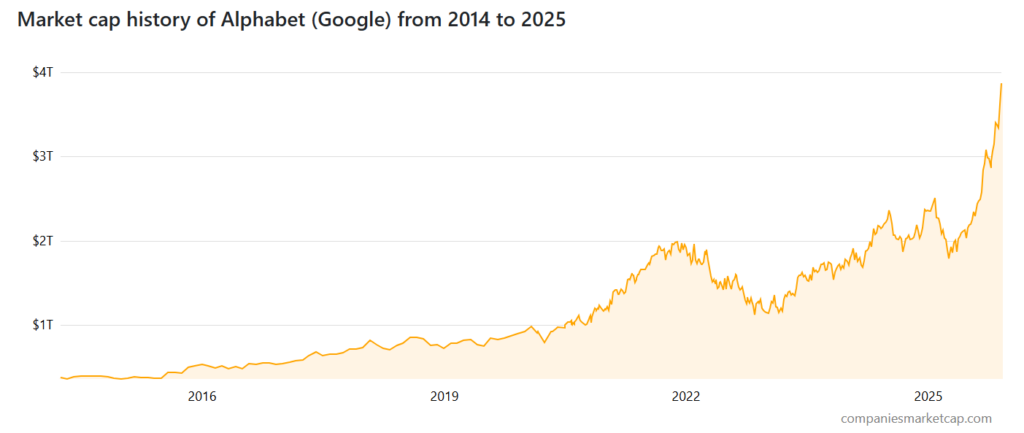
Not many companies get to pivot so many times and still be not just relevant but at the front of their field. They’re still 2 of the most valuable companies ever, by market cap, at time of writing, stocks can fall as well as rise etc etc. Somewhat ironically, since starting to write this piece, Google has overtaken Microsoft for the first time, their value more than doubling in less than 8 months.

Article content

A bubble, you say? Shurely shome mishtake.

Maybe the presence of a talismanic founder or two can help companies in their early stages – in Robert X Cringely’s excellent historical guide to the early days of the microcomputer industry, Accidental Empires (1992), he addresses both Jobs and Gates. Chapter 10, “The Prophet”, starts by calling Steve “The most dangerous man in Silicon Valley”. Bill, in “Chairman Bill Leads the Workers in Song” is characterised as the Henry Ford of the microcomputer industry.

Sometimes, Bill is said to have actively fostered internal competition between different groups rather than imposing a way of doing things – the thinking being that if two or three groups each try to solve a problem then the best solution will win.

Article content

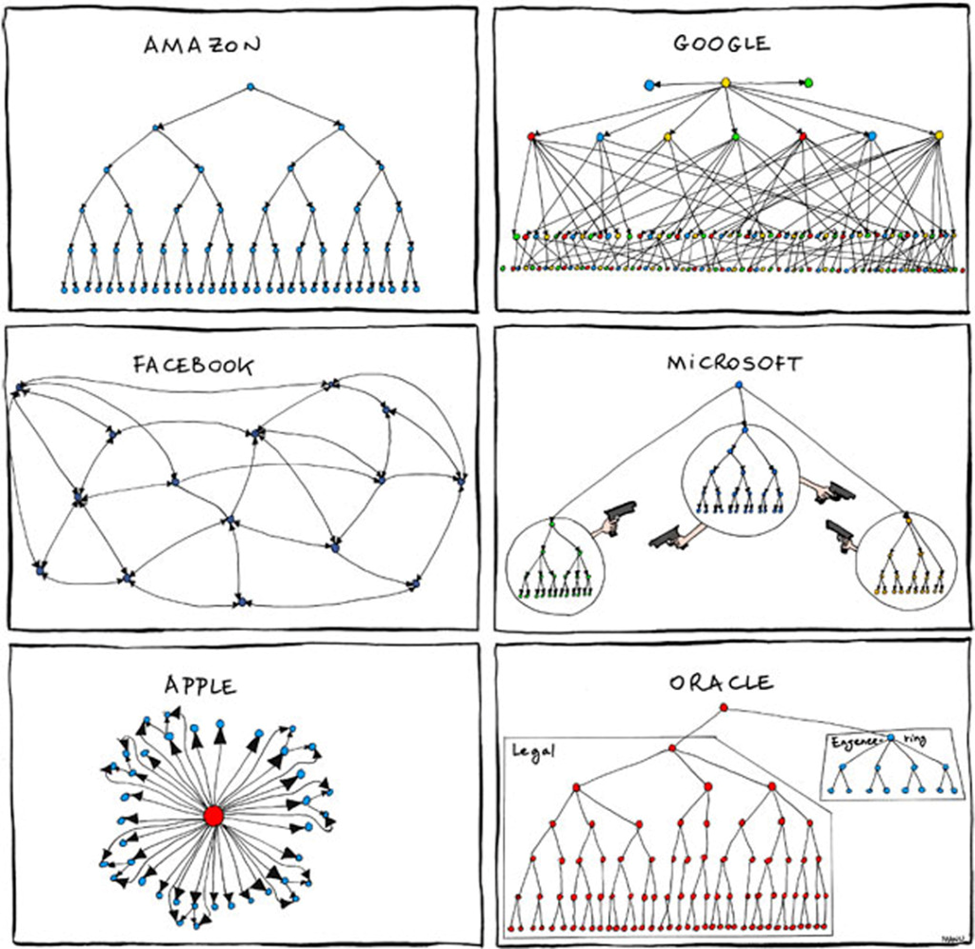
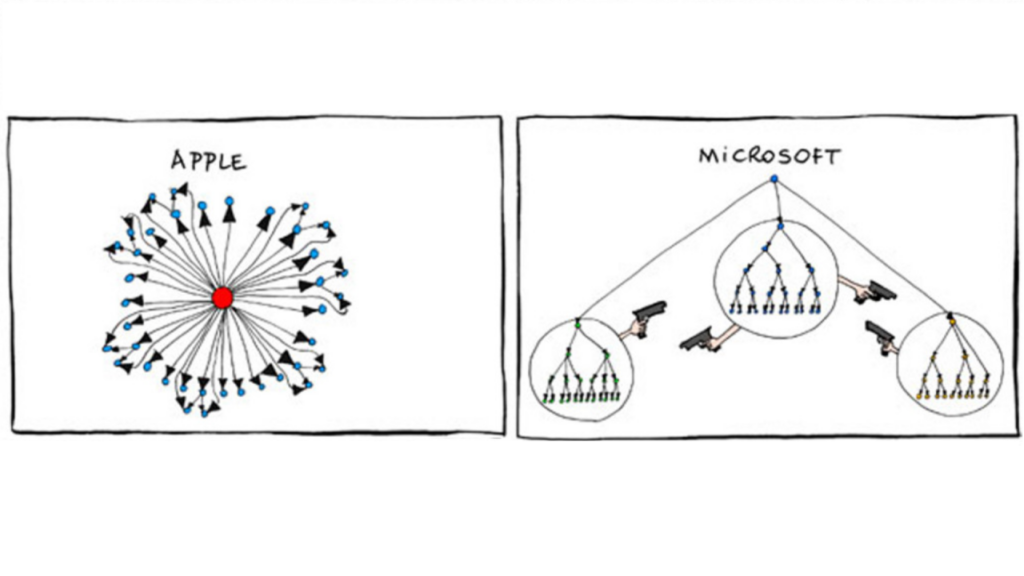
This old joke org chart comparison illustrates a few truisms – at Google, Larry & Sergei might have had the ideas, but Eric Schmidt ran everything. Oracle perhaps spent more on enforcing licensing than on engineering, and at Apple (post 1996), everything revolved around Steve and all decisions went back to him.

But if you were at Microsoft in the early 2000s, you’d smirk with recognition at the warring nature of how their product groups sometimes behaved.


MS: Not just about Windows

For many years, Microsoft had the two cash cows of Windows and Office. The Operating system was licensed to PC manufacturers and sold to enthusiasts and businesses who upgrade every few years. People even queued at midnight on August 24th 1995 to buy a copy of Windows 95; apocryphal stories did the rounds of some shoppers not even owning a computer but they got caught up in the hype for fear of missing something.

Internal influence was rather staked on which part of the division you worked in – Windows, especially under BillG’s tenure when everything else pretty much had to support the Windows business, was the big dog. Office was somewhat secondary but also made Mac versions and was bought by people devolved from whatever cycle they replaced their PC or upgraded its operating system. Server products which ran on Windows NT Server but were tied into usage of Office somewhat straddled the two.

It wasn’t uncommon for Microsoft to have multiple products which overlapped yet were built by different teams – Windows 3.x vs OS/2, Windows 95/98 vs Windows NT, Office vs MS Works, Internet Explorer vs MSN. Even within product groups, there were often numerous bits of technology being developed which had already been built by another team (at one point there were 3 or 4 different and incompatible ways of doing “workflow” processes).

There’s no doubt that there was wasted effort – products would go through long development cycles only to be canned before release (or like KIN, shortly after). In a remarkably honest interview to coincide with Microsoft’s 50 years anniversary, Steve Ballmer admitted there were silos between productivity and systems divisions. A very in-depth interview with Steve on the Acquired Podcast delves deeper into his regrets around the “Longhorn” development that cost the company years.

Show me the money!

Between 1997 and 2000, the company’s revenue grew from $12Bn to $23Bn but net income nearly tripled from $3.5 to $9.5Bn. What was behind the success? Enterprise software sales. The steady growth of Windows NT and the associated client licenses for running back-office servers, along with SQL Server database and Exchange Server for email was really paying off.

By comparison, Microsoft’s FY25 numbers came out at $281.7Bn with a net income of $101.8Bn – even adjusting the FY2000 numbers using the Bank of England Inflation calculator, the latest figures are remarkable. 2025 revenue is 641% of 2000’s and net income is 561%.

Over time, Microsoft shifted away from just being dependent on Windows & Office, by adding numerous other successful businesses, focusing on Enterprise then the cloud and latterly bunging AI into every offering.

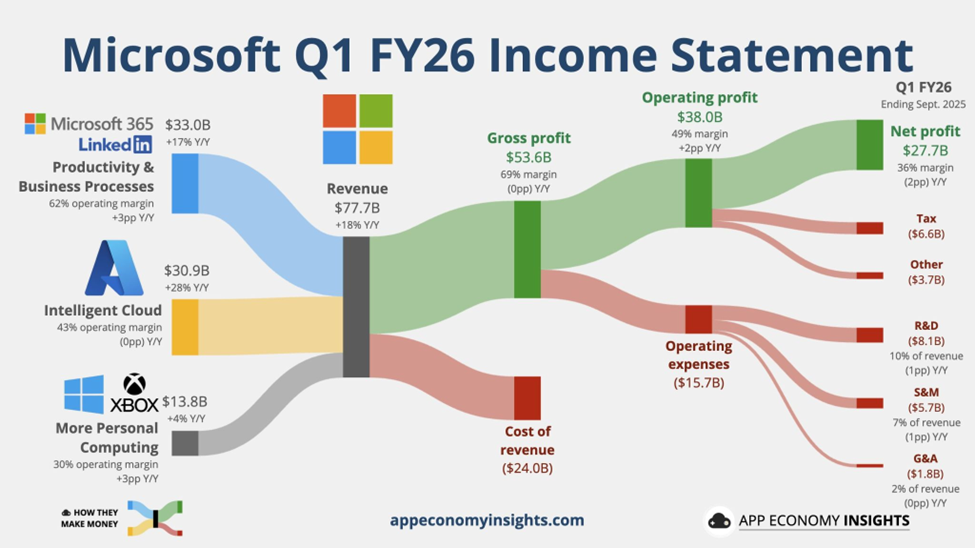
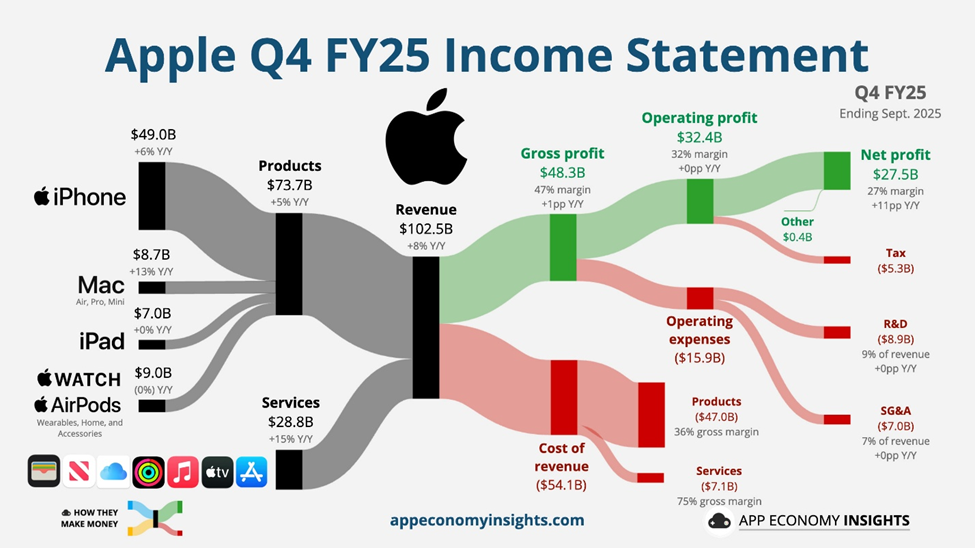
Every quarter when they release fiscal results, Jack Rowbotham posts on LinkedIn summarising where the money flows – and using visuals produced by App Economy Insights it’s quite clear where the power lies now.

Article content

Whatever you think of Microsoft, if you cut the company, they bleed software (and services).

Hardware has always been a means to an end – to sell and use the software. The original Microsoft Mouse was just a way to get people used to the graphical interface that would eventually be the key UX of Windows. Today, Surface devices aim to show how a great PC can be and, for now at least, Xbox continues to be the means to sell more games (and Game Pass subscriptions).


Apple – the Return of the King

Article content

Microsoft and Apple have had a “complicated” relationship since the early days.

Bill and Steve had a degree of respect and even friendship for each other, but as both companies became successful there were clearly times when they were at loggerheads.

Article content

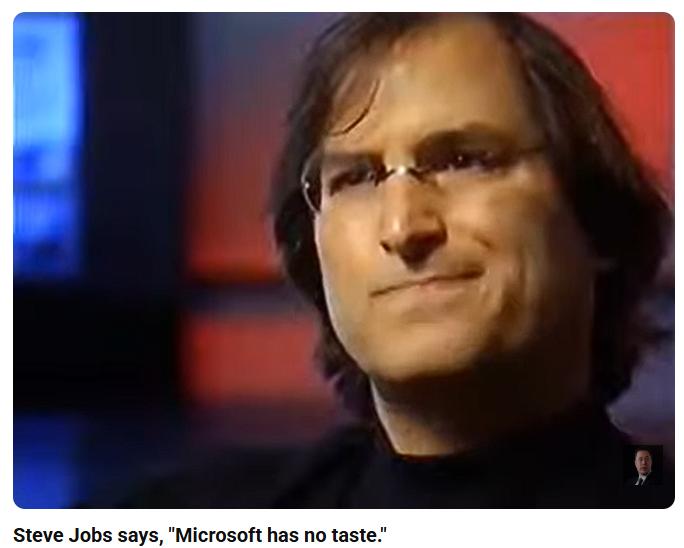
In that seminal interview, Steve lays out his vision for humanity of taking the very best of things to improve itself, casting Apple as true innovators and Microsoft as pedestrian followers.

Jobs famously went to visit Xerox PARC and took inspiration from what they were doing with graphics, mouse, printers and networking as the genesis of the Apple Lisa and later Macintosh products. The Mac has always been a niche offering – arguably beautiful, proprietary and expensive, it could never really compete for the mainstream in the same way that Mercedes or Jaguar or BMW were always going to be in a different league to Ford and Toyota.

The PC and DOS had become hugely successful and when Microsoft debuted Windows, Apple was clearly not happy. Lower-cost, more diverse PCs with many peripheral and software companies building on top of them competed against the Macs with relatively few software packages being developed. Jobs was fired by Apple in 1985. There were attempts to create other products, like the Newton, but they proved unsuccessful and perhaps a costly distraction.

Apple was circling the drain, and at the time of Jobs’ return in 1997, it was said that Microsoft made more money selling Office to Mac users than Apple did selling Macs to Mac users.

Quoting Bob Cringely again, whose book was published before Steve Jobs came back to save Apple from itself:

Steve Jobs holds an idea that keeps some grown men and women of the Valley awake at night. Unlike these insomniacs, Jobs isn’t in this business for the money, and that’s what makes him dangerous.

Jobs came back and brought in some help from outside – including Larry Ellison from Oracle, despite the boos from the faithful. Steve began admitting that Apple would like to do some software and having software industry expertise on the board might be a good idea.

He also suggested that Apple and Microsoft were going to partner more closely – as a way of resolving some long-time disputes relating to look and feel of Windows and Mac, and Microsoft agreeing to keep supporting the Mac platform with releases of Office at the same cadence of the ones for Windows.

Microsoft was also going to pump some cash in to make sure Apple was kept alive (a useful bet against the Department of Justice, who were breathing down Redmond’s neck at the time). The $150M of non-voting stock that Microsoft bought was sold 6 years later for $550M, so that worked out well.

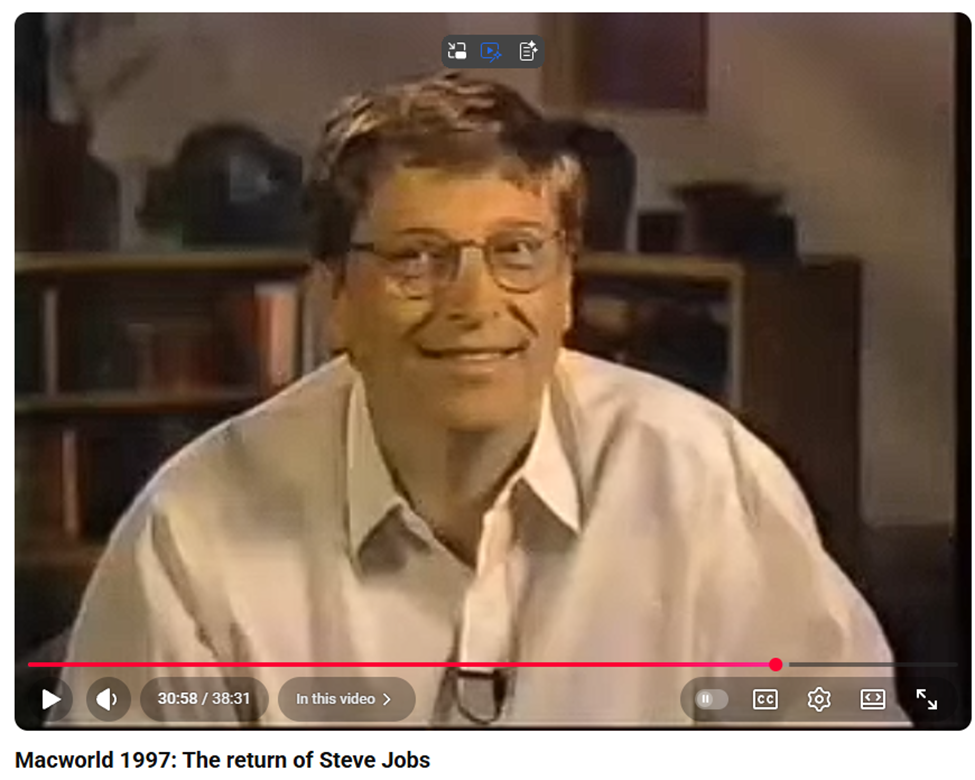
The jeers from the Apple fans at Macworld 97 were not just reserved for Larry from Redwood: Bill from Redmond got even more.

Article content

Jobs made a hugely important point to the Macworld congregation at the time: they need to let go of the idea that for Apple to win, Microsoft has to lose. This idea that competitors can sometimes work together for mutual benefit or even survival is clearly valid.

Apple makes Things

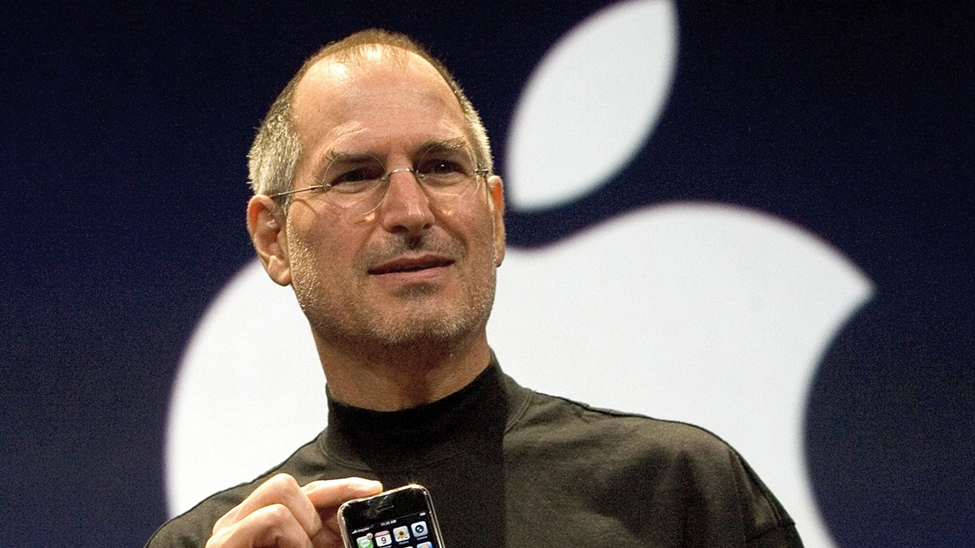
Meanwhile, Apple has gone from near death to world dominance. Jobs led an obsessive focus on customer experience, which made sure they built products that people loved. The iMac injected some pizazz into the ageing Mac product lineup, launched a hugely successful laptop line in PowerBook and MacBook, and came up with a variety of ancillary products like the iPod, iPhone, iPad and Apple Watch. By Q1 2007, the iPod on its own was responsible for almost half of Apple’s revenue.

The iPhone was the true saviour of Apple. For the first time, it attracted new customers to the brand, and they’d go on to buy Macs because they liked the experience (and the integration was well thought out). But it had a difficult gestation: Jobs deliberately kept the development of iPhone separate from the Mac, with direct oversight and freedom for that design team. He fostered direct – sometimes hostile – competition for the software platform to be used in the phone. Either the iPod would grow to become a phone, or the Mac OS X would be shrunk to form a new OS. The latter prevailed.

Looking at Apple’s fiscal makeup today, you can see that the majority of its revenue comes from products like iPhone, but services like iCloud, Apple TV, iTunes etc make up 28% of its revenue but 45% of its gross profit.

Article content

If you cut Apple, it bleeds devices and the related experience. They make great hardware which people love because the design and the software that drives it is well thought out. But the profitability growth is really behind the subscription services that provide that experience: nearly 45% of Apple’s gross profit comes from that services line, even though it accounts for only around one quarter of its revenue.


Are they still competitors?

Having been frenemies for some time and outright competitors for years (remember the I’m a Mac adverts? … not sure some of them would make the cut these days), do Apple and Microsoft still see each other as even relevant let alone a threat or opportunity?

Article content

Well, Windows still has the lion’s share of the desktop OS, though it’s fallen from around 85% to 65% over the last decade. The key thing is, the desktop has lost its dominance with more people using phones and tablets, and since Microsoft failed to compete in the phone OS and never really built a compelling tablet, it’s even stevens.

In its early days, Apple’s iCloud storage was partly on Amazon’s AWS and partly on Microsoft’s Azure cloud service – in fact, Apple was among the largest 3rd party users of Azure at the time. Reportedly, iCloud moved to Google Cloud and kept on using AWS for some too, alongside massive investments in their own datacenters.

Nowadays, Microsoft pretty much bundles Office in with a subscription so Mac users might not be counted a significant revenue stream on their own. M365 doesn’t care what device you’re using to access its services, as long as you are.

Very significantly, when Satya Nadella took over as Microsoft CEO, Office for iPad and iPhone were quickly released. Some commentators incorrectly attributed Satya’s new openness (Linux on Azure and all that) to account for the release of Office for iDevices, but the development had been underway for years. Steve Ballmer – who famously faux-smashed an employee’s iPhone – had given it the green light.

So, is internal competition really a good thing?

We can never really be sure.

Having several groups pursuing the same goal is inevitably “wasting” resource, but it may be that without that competitive tension they’d miss key breakthroughs, or fail to challenge long-held assumptions. Recognising and capitalising on opportunity, regardless of how difficult its gestation, that’s what marks out success in the long run.

What Apple and Microsoft have both done is to evolve their missions over time; freed the dependence on one cash cow in order to cultivate others. Just as old dogs lose out to young pups and newly-dominant lions kill the cubs of their predecessors for the survival of their pride, maybe the only way for some companies to survive is to encourage and embrace the “overhead” of internal competition in order to find new business.

#782: What IS the time, Mr Wolf?

Time is relative, man. In practice, since most of us are not rushing about at or near to the speed of light, it feels pretty much a constant, and is something we all too easily take for granted.

The relative importance of the time of day to a caveman would be what time the sun rises and sets, and he wouldn’t really need to define it empirically since all the other things he interacted with would be driven by the same schedule. He wouldn’t care how many hours there were in the day, only that seasons might change and the days would be longer and shorter.

Measuring time accurately and consistently became a challenge throughout human development, particularly once we started to travel around. Manufacturing, commerce, communications and more all depend on knowing what the time is, sometimes to an extremely accurate degree. Even kiddies’ games too.


Where am I?

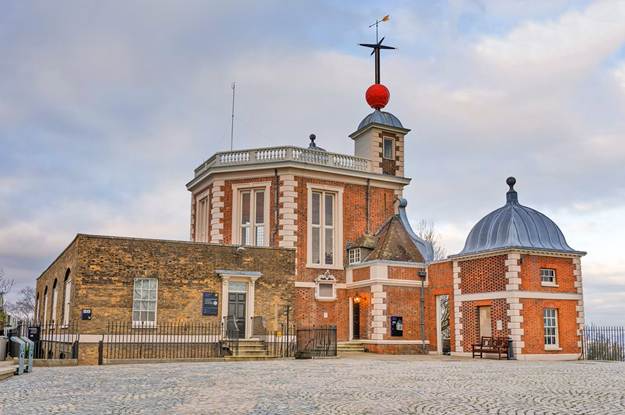
In the 17th Century, King Charles II* of England, Scotland and Ireland saw fit to create a Royal Observatory in Greenwich, London, in order to keep up with advances in astrology that rivals (especially the French) were making.

Article content

Back in 1676, the first “Astronomer Royal”, John Flamsteed, was tasked with finding a way to more accurately navigate at sea. In essence, he began working on the base for subdivision of time zones and for calculating longitude (i.e. how far east or west they are) and therefore help ships not get lost at sea.

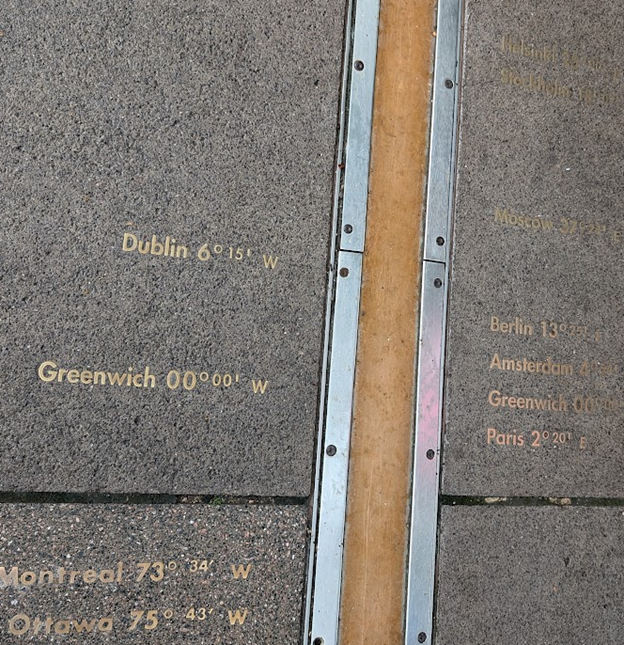
The Prime Meridian was defined quite some years later – 1851 – and was chosen (in 1884) as the basis for most navigation systems and the means by which the globe is split up into time zones. East and West is measured in degrees of longitude with the Meridian (and associated Greenwich Mean Time) at point zero.

Article content

You can visit the Greenwich Observatory and stand with one foot in the western hemisphere and the other in the eastern hemisphere.

*Interestingly, while Chaz II was profligate in producing illegitimate childrenIrvine Welsh might even describe him as a “flamboyant shagger” – he had no direct heirs. All things being as they are, when current King Charles III’s son, Prince William, ascends to the throne, he’ll be the first monarch descended from Charles II due to his mother’s ancestry.


When is it?

Observing the celestial bodies can help narrow down where you are but to be precise, you need instrumentation which can accurately measure time. In principle, a navigator out at sea could figure out what the time is where s/he was (based on placement of the sun and possibly using stars at night) and could calculate latitude (i.e. how far north or south he or she was).

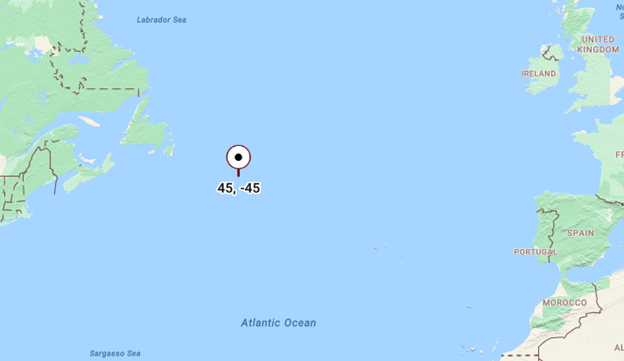
If there was a way of knowing what the time was at a fixed point, then they could figure out longitude as well, by comparing the current location’s time and the what the time was at, say, Greenwich. Imagine a sailor halfway across the Atlantic – if they know it’s noon by observing the sun but they had a clock set to GMT which said it was 3pm, they could calculate the number of degrees of longitude difference and therefore pinpoint where they are, with at least a degree of certainty.

Article content

Unfortunately, accuracy of clocks and watches in the 17th century was pretty woeful – many early timepieces only had a single hand, as they weren’t really accurate enough to measure minutes. Sundials remained the most accurate way of measuring time.

The only clocks which could keep good time needed pendulums to swing and that doesn’t really work when the clock is pitching up and down on the waves, so once a sailor had left port there was no way of them keeping track of time at a known point, only the time where they were now.

Following repeated tragic shipwrecks due to vessels being off course to where they expected, the Board of Longitude was established in 1714, with a generous bounty (several £M in today’s money) promised to anyone could solve the problem.

Clockmaker John Harrison devoted much of his life to building clocks and “marine chronometers” which could prove remarkably accurate, enough to measure longitude over a long sea voyage. One test, by King George III no less, measured accuracy within 1/3 of a second per day over a 10-week period, and Captain Cook took a replica of Harrison’s H4 clock to his second voyage down under. They were expensive – about a third the cost of the ship – but if they helped avoid catastrophe, they were worth it. After much shenanigans, Harrison finally received the Board of Longitude’s payout when George III* personally intervened.

*It’s said that when the film version of “The Madness of George III” was released, it was re-titled The Madness of King George, so American audiences wouldn’t think it was a sequel and that they’d missed parts 1 and 2.


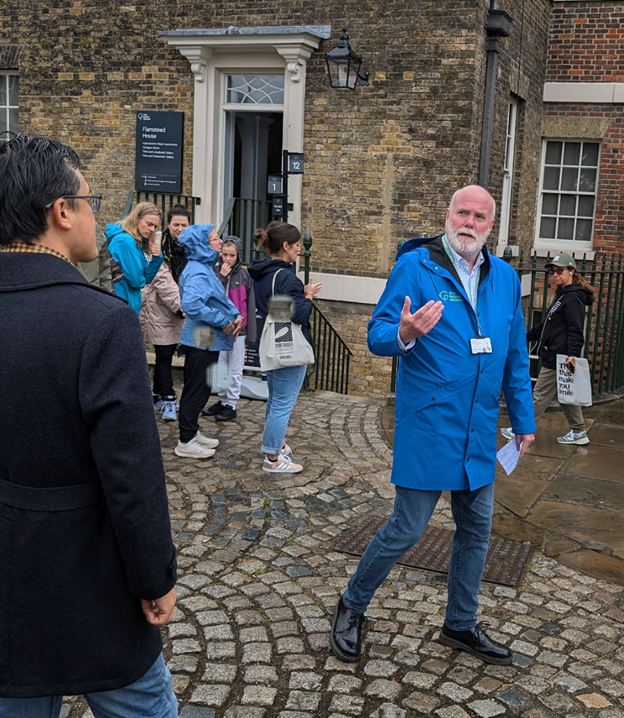
You can take a guided tour of the Observatory, seeing some of Harrison’s clocks and telling the story of what a massive impact solving that tricky problem had, seemingly trivial in today’s world: how knowing the time can help to pinpoint where you are.

Article content

You might even be lucky to be guided by former Master Mariner, John Noakes, who now volunteers at the Observatory. A life spent selling strategic software solutions has not dulled his enthusiasm for the subjects of seafaring, navigation and time.

The Royal Observatory played an important part in setting the time for ships, too – at exactly 1pm every day, the brightly-coloured Time Ball drops and any ships within sight of the Observatory could adjust their own clocks to make sure they remained accurate.

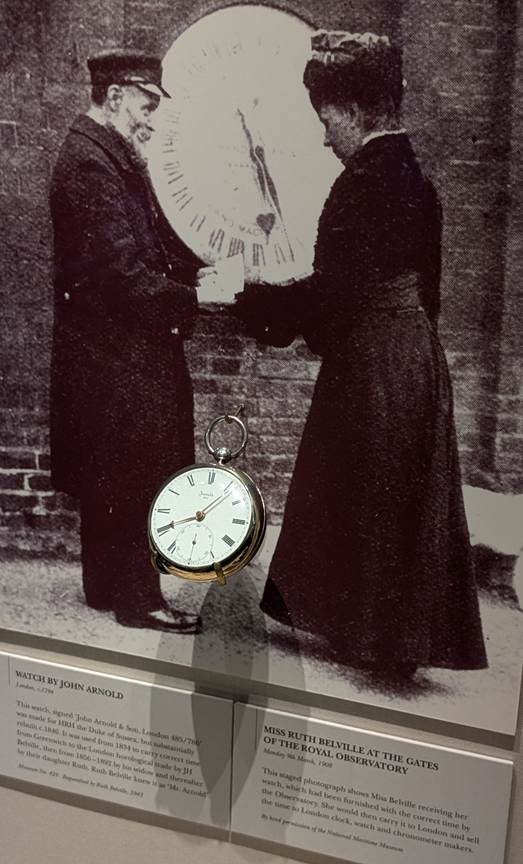
There was even a family – culminating in spinster Ruth Bellville – who “sold time” by taking a 1794 chronometer pocket watch and regularly setting it correctly from Greenwich. First her parents and then Ruth would journey around London, showing the watch to their clients (clock and watch makers, or other businesses) so they could accurately synchronise their own clocks to be within a few seconds of Greenwich Mean Time.

Article content
From the Clockmaker’s Museum, at the Science Museum, London

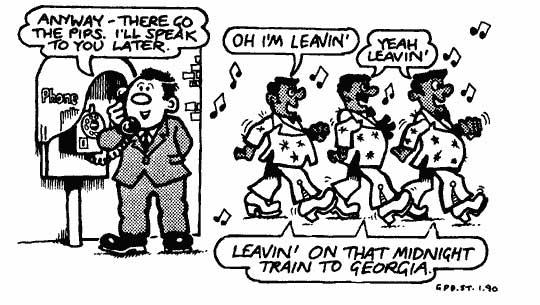
Despite availability of radio technology and even the Pips, it’s pretty remarkable that as late as the 1940s, people were still giving money to an old lady toting around a 130+ year old pocket watch, just to have a look at it.

Article content
(c) Viz, 1990

19th and 20th Century Time

By the early 1800s, it was common for towns in the UK to have clocks in their church or town hall, and that was the reference for things of local importance, like what time the marketplace opened. Those clocks would be set by the midday sun so they would be more-or-less correct.

The problem is, noon in (say) Bristol might be 6 or 7 minutes later by celestial time than it is in London, and that made things difficult when trying to operate between the two, such as making a railway journey according to a published timetable.

Great Western Railway was the first, in 1840, to adopt a universal time standard set by Greenwich, which meant if you were catching a 2pm train in Bristol, it would be 2pm London Time even if a clock in Brissl said it was still 1:53.

Despite some resistance from red-faced locals complaining of interference from the capital city, it wasn’t long before everything across the country became synchronised to GMT and the idea of locally-defined time went away.

From grandfather clocks and pocket watches, by the mid-1900s, wearing a wristwatch became more the norm for gentlemen. Well-to-do ladies may have had a bracelet watch for some time, but it was during the Boer War that soldiers started routinely strapping a small pocket watch to their wrists so they could easily coordinate actions. It didn’t matter so much what the correct time was, so long as they all had their watches synchronised on the same time.

During the mid to late 20th century, the development of electronic time keeping made it much easier for people to know what the accurate time was. Atomic clocks were developed to measure down to tiny fractions of a second, and even redefined the international standard of “a second” as being based on the vibrations of a particular atom.

Scientists have even proved Einstein’s theory of relativity applies, by raising one of two atomic clocks by 1 foot in height, and seeing how it sped up ever so slightly. It’s only 90 billionths of a second faster over the span of a human lifetime, so tall people really needn’t worry about ageing quicker.


Further Watching and Reading

Futurologist Ray Kurzweil proposed in 1999 that the rate of innovation is itself accelerating, so that the first 30 years of the 21st century would see the same or greater technological change than all of the change from the 20th. Some of Ray’s predictions are a bit whacko, but consider that the 20th century itself gave us flight, adoption of mass transit and telecommunications, the transistor, electronic computers, the internet…

… so how have the first 2.5 decades of 21st C gone so far? Smartphones, social media, online shopping, Google Maps, the human genome… Right enough, by 2030, we may yet be supplicant to fuelling the AI overlords.

What’s the time now?

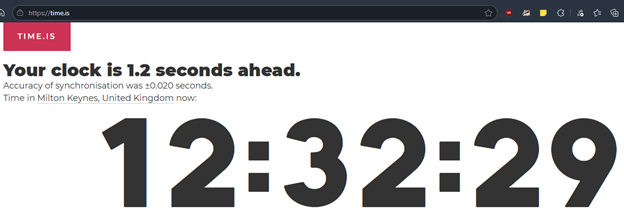
Using your phone or computer, if it keeps its clock set to the network it’s attached to, is probably the most accurate way of telling the time. Try going to the website https://time.is if you want to check how close you are, really.

Article content

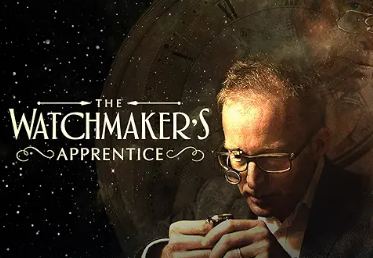
If you have Amazon Prime, there’s an interesting documentary, The Watchmaker’s Apprentice, which tells the story of George Daniels, arguably the greatest watchmaker of the 20th century, and his protégé Roger W Smith. Daniels is no longer with us, but Smith still hand-makes watches that will routinely sell for >$1M.

Article content

If you can get over the somewhat cloying narration of Gimli/Treebeard, it’s quite an good tale.

Morgan Freeman also narrated a series of science documentaries in 10+ years ago, which touched on time, light and space even posing the question of whether time even exists.

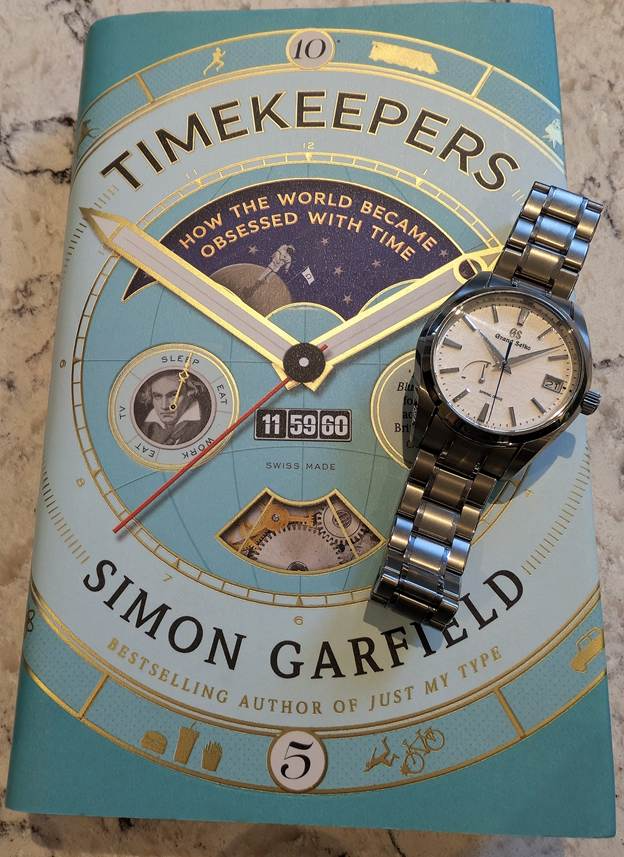
There are many time-related stories in Simon Garfield’s excellent Timekeepers book too.

Article content
Pictured with a Grand Seiko Spring Drive – one of the most accurate mechanical wristwatches (~0.5 second per day)

There’s more horological chuntering to follow on Not Tip of the Week, another time…